
By Michael Phillips | Republic Dispatch
A viral post circulating on X from the account Visegrád 24 (@visegrad24) claims that an Islamic Revolutionary Guard Corps (IRGC) colonel was killed by anti-regime protesters in western Iran, allegedly in retaliation for a deadly crackdown earlier this month. While the underlying unrest in Iran is real and intensifying, the specific claim remains unverified as of publication and highlights the growing fog of information surrounding the country’s escalating crisis.
What the Claim Says
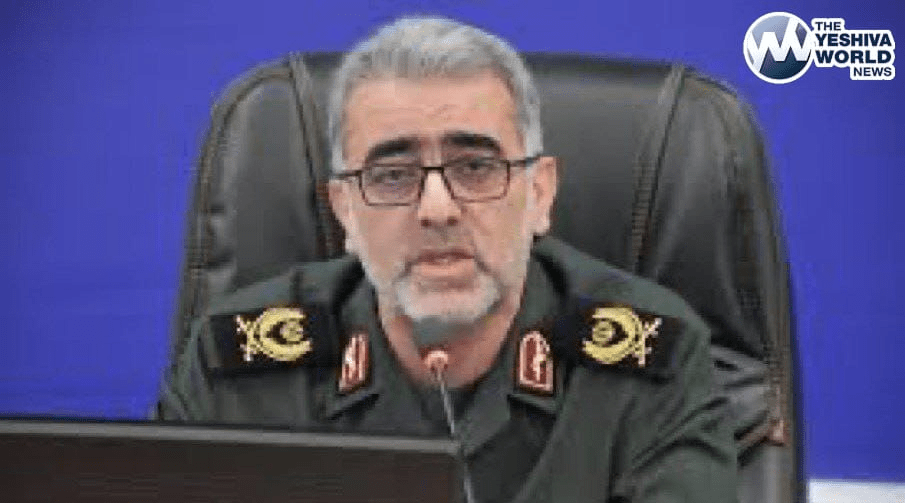
According to the post, an IRGC officer identified as Colonel Mahdi Rahimi (with multiple spelling variations) was allegedly targeted and killed by protesters after being accused of overseeing IRGC forces that opened fire on demonstrators in Malekshahi, a town in Ilam Province, on January 3. The post asserts that surviving protesters tracked down the officer at his home and carried out a retaliatory attack.
The story has spread rapidly across social media, amplified by accounts framing it as vigilante justice against regime repression. Engagement has been high, but no major human rights organizations or reputable international news outlets have confirmed the incident.
What Is Confirmed
Iran has been gripped by a renewed wave of nationwide protests since late December 2025, driven by economic collapse, inflation, fuel shortages, and broader opposition to the ruling clerical regime. In early January, multiple watchdog groups—including Amnesty International and Human Rights Watch—documented lethal force used by Iranian security services against demonstrators in several provinces.
In Malekshahi, eyewitness accounts and rights monitors confirm that IRGC forces fired live ammunition at protesters marching near a Basij base on or around January 3. At least three protesters were reportedly killed on the spot, with dozens injured. Some of the wounded later died in hospital. Across Iran, rights groups estimate that at least 28 protesters and bystanders were killed between December 31 and January 3, including women and children.
These findings align with a familiar pattern: the regime responding to unrest with overwhelming force rather than reform or restraint.
What Remains Unverified
Despite the confirmed violence in Malekshahi, there is currently no independent verification that an IRGC colonel named Mahdi Rahimi was killed in retaliation, nor that such an attack occurred at a private residence. Neither Amnesty International, Human Rights Watch, Reuters, Iran International, nor analytical bodies like the Institute for the Study of War have reported such an event. Even Iranian state or IRGC-affiliated media—often quick to publicize security force casualties—have not confirmed this specific claim.
That does not make the story impossible. Iran is experiencing internet shutdowns, mass arrests, and heavy censorship, creating fertile ground for rumors, misinformation, and psychological warfare on all sides. Social-media-driven narratives often race ahead of verifiable facts.
A Dangerous Inflection Point
From a center-right perspective, two realities can coexist. First, Iran’s regime bears responsibility for the violence it unleashes on its own people; decades of repression have produced deep resentment and radicalized opposition. Second, the spread of unverified claims—especially those celebrating extrajudicial killings—risks distorting the situation and escalating chaos without accountability or clarity.
If credible evidence later confirms that protesters are targeting IRGC commanders personally, it would mark a serious escalation in Iran’s unrest, signaling a shift from mass protest to targeted retaliation. Such a development would have major implications for regional stability and for how the West assesses the durability of the Iranian regime.
For now, the prudent course is caution. The protests are real. The crackdown is brutal. But the specific claim of a retaliatory killing of an IRGC colonel remains unconfirmed, underscoring how quickly information—and misinformation—travels amid revolutionary moments.
Republic Dispatch will continue to monitor developments and update readers as reliable confirmation emerges.
 The Republic Dispatch