By Michael Phillips | Republic Dispatch
Iran’s nationwide protests have entered a more dangerous phase, with confirmed fatalities rising and the regime signaling reduced tolerance for dissent. What began on December 28, 2025, as economic protests over currency collapse has hardened into a sustained, multi-provincial challenge to the Islamic Republic—one now marked by lethal force, mass arrests, and mounting international pressure.
Latest Updates: Rising Casualties and Wider Spread
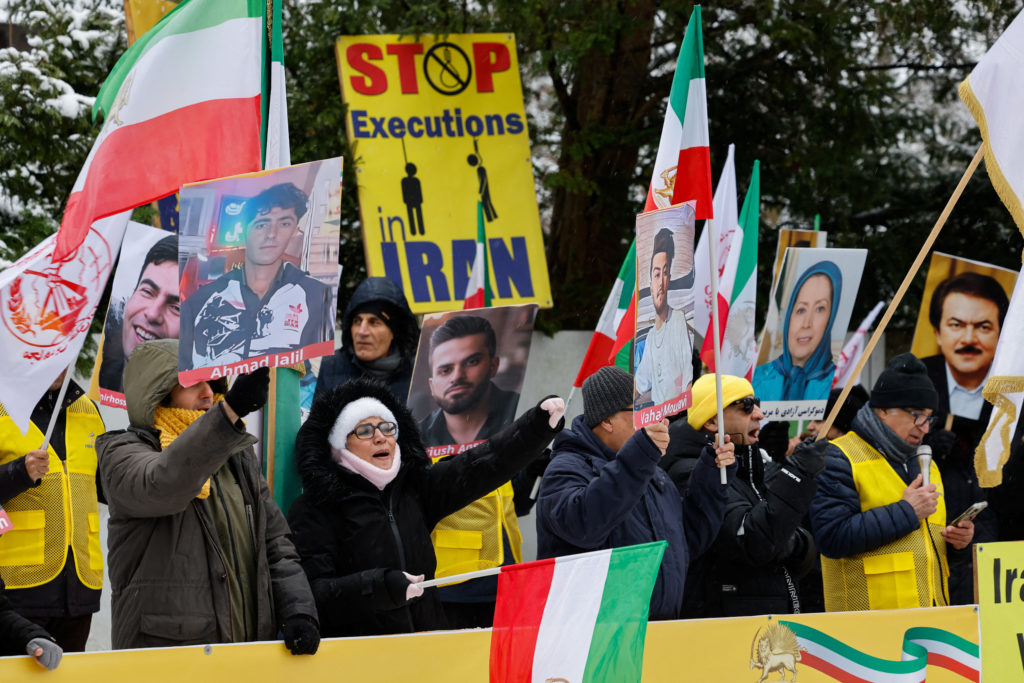
As of early January 2026, human rights monitors including HRANA and Hengaw report at least 25–30 protesters killed, along with one to two members of Iran’s security forces. Hundreds more have been injured, and dozens arrested. The death toll has climbed steadily over the past several days as demonstrations expanded into 26 of Iran’s 31 provinces, with verified protests in Tehran, Kermanshah, Ilam, Arak, Hamedan, Amol, Yasuj, and multiple northern and western cities.
Videos verified by international media show live gunfire, security forces charging crowds, and panicked protesters fleeing at night. In Ilam, activists allege that security forces stormed a hospital treating wounded demonstrators, using tear gas and gunfire—an escalation that has further inflamed public anger.
Funerals for slain protesters have become flashpoints themselves, with mourners chanting, “I will kill whoever killed my brother,” transforming mourning rituals into renewed demonstrations.
From Economic Grievance to Political Revolt
The immediate trigger remains Iran’s economic collapse. The rial has plunged to roughly 1.45 million to the U.S. dollar, inflation is estimated at 40–48 percent, and food prices are reportedly up more than 70 percent in some regions. Sanctions reimposed in late 2025 over Tehran’s nuclear noncompliance—and the economic shock from the June 2025 Iran–Israel war—have intensified shortages and public despair.
But the protests have quickly moved beyond bread-and-butter issues. Chants now openly target the regime: “Death to the dictator,” “Woman, Life, Freedom,” and calls referencing Reza Pahlavi reflect a growing willingness to challenge the system itself rather than demand reform within it.
Regime Response: Mixed Rhetoric, Hard Reality
Iranian officials continue to send contradictory messages. President Masoud Pezeshkian and parliamentary leaders have acknowledged “legitimate demands,” promising modest economic relief. Yet Supreme Leader Ali Khamenei has drawn a hard line, warning that “rioters must be put in their place” and blaming foreign powers for inciting unrest.
On the ground, the response has been unmistakably coercive. The Basij militia has reportedly been offered cash bonuses for nightly deployments, internet access has been disrupted, and the judiciary has warned of “no leniency” for those detained. The rising death toll suggests security forces have been authorized to use lethal force in multiple provinces.
International Pressure Mounts
The bloodshed has intensified international scrutiny. U.S. President Donald Trump renewed warnings that the United States is watching closely and would “hit [Iran] very hard” if authorities escalate killings of protesters. Israeli Prime Minister Benjamin Netanyahu again voiced support for demonstrators, framing the unrest as evidence of the regime’s internal weakness.
Tehran, meanwhile, accuses Washington and Israel of orchestrating the protests and warns that any foreign intervention would trigger regional retaliation—language that underscores the growing risk of miscalculation.
A Turning Point—or a Brutal Reset
The current unrest has not yet matched the scale of the 2022 Mahsa Amini uprising, which left hundreds dead. But the geographic spread, rising fatalities, and rapid political radicalization suggest a regime under deeper strain than it publicly admits. Each additional death risks transforming localized protests into a broader national rupture.
Whether the Islamic Republic doubles down on repression or seeks a political off-ramp remains unclear. What is clear is that Iran has crossed into a more volatile stage—one where economic collapse, public fury, and lethal force are converging, with consequences that could extend far beyond Iran’s borders.
Republic Dispatch will continue to track developments and casualty updates as the situation evolves.
 Republic Dispatch