By Michael Phillips | Republic Dispatch
The dust has not yet settled after Operation Resolve, the U.S. military action that stunned the world by capturing Venezuelan strongman Nicolás Maduro and his wife, Cilia Flores, in a January 3 raid near Caracas. While Washington frames the mission as a decisive strike against narco-terrorism, events on the ground suggest the next phase may prove far more complicated than the operation itself.
Maduro in U.S. Custody, Legal Clock Starts
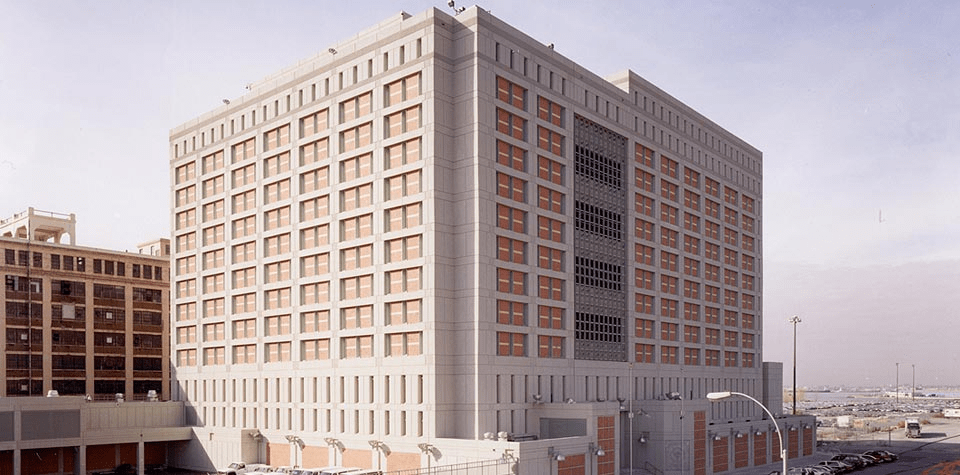
Maduro is now being held at the Metropolitan Detention Center in Brooklyn, awaiting an initial court appearance in the Southern District of New York. Federal prosecutors are expected to proceed on longstanding charges dating back to a 2020 indictment, including narco-terrorism conspiracy, large-scale cocaine trafficking, and weapons offenses.
For supporters of a tougher line against the Maduro regime, the arrest represents a long-overdue moment of accountability. For critics, it raises immediate constitutional and international questions: there was no extradition, no United Nations authorization, and no explicit congressional approval.
Caracas Closes Ranks—for Now
Inside Venezuela, the regime has not collapsed. The country’s Supreme Court confirmed Vice President Delcy Rodríguez as interim leader for “administrative continuity,” even as she publicly insisted that Maduro remains the only legitimate president.
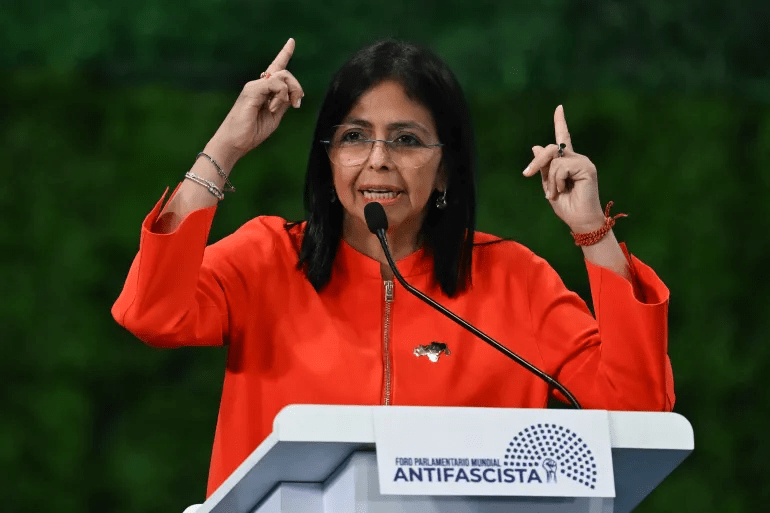
Flanked by Defense Minister Vladimir Padrino López and longtime power broker Diosdado Cabello, Rodríguez denounced the U.S. operation as an illegal kidnapping and ordered heightened military readiness. Notably, there have been no significant defections within the armed forces—an early sign that removing Maduro does not automatically dismantle the system he built.
On the streets, the mood is mixed: cautious relief among some citizens and the Venezuelan diaspora, limited protests at home, and widespread stockpiling of food and fuel amid fears of escalation.
Trump Signals Control—and Leverage
President Donald Trump has leaned into the moment, declaring that the United States will temporarily “run” Venezuela to ensure a “safe, proper, and judicious” transition. He has openly discussed tapping the country’s vast oil reserves—estimated at over 300 billion barrels—and inviting U.S. companies back into a sector hollowed out by corruption and mismanagement.
Trump initially described Rodríguez as cooperative, a claim she quickly rejected on Venezuelan state television. The president responded with sharp warnings, suggesting she could face consequences “worse than Maduro” if she resists U.S. demands.
Secretary of State Marco Rubio has sought to lower the temperature, insisting no further military action is planned and portraying the operation as a law-enforcement strike against drug trafficking rather than a war on Venezuela.
The Missing Opposition—and a Strategic Question
One of the most striking elements of the aftermath is who has not been elevated. Opposition leader María Corina Machado, widely viewed as the legitimate winner of Venezuela’s contested 2024 election and a 2025 Nobel Peace Prize recipient, has been sidelined.
Trump dismissed her as lacking sufficient domestic support, signaling that Washington may prefer negotiating with regime holdovers rather than risking instability through a full political reset. For Venezuelans hoping the capture of Maduro would immediately usher in democratic restoration, that message was sobering.
International Blowback and a Dangerous Precedent
Predictably, Russia, China, Iran, and several Latin American governments condemned the operation as a violation of sovereignty. Others—such as Argentina’s President Javier Milei—offered cautious praise. The UN Security Council is expected to debate the issue this week, with European leaders urging restraint and respect for the Venezuelan people’s will.
Beyond Venezuela, the precedent matters. A U.S. president authorizing the capture of a sitting foreign leader without international approval will reverberate far beyond Caracas—from Eastern Europe to the Pacific.
A Tactical Win, a Strategic Test
Operation Resolve achieved its immediate objective with stunning speed. But removing Maduro has not yet removed Maduroism. The Venezuelan military remains loyal, the ruling structure intact, and the political future unresolved.
For the Trump administration, the coming days will test whether force can be translated into legitimacy, stability, and reform—or whether this dramatic opening chapter gives way to a prolonged and risky entanglement. The world will be watching as Maduro’s case proceeds in New York and Venezuela’s fate hangs in the balance.
 Republic Dispatch