
By Michael Phillips
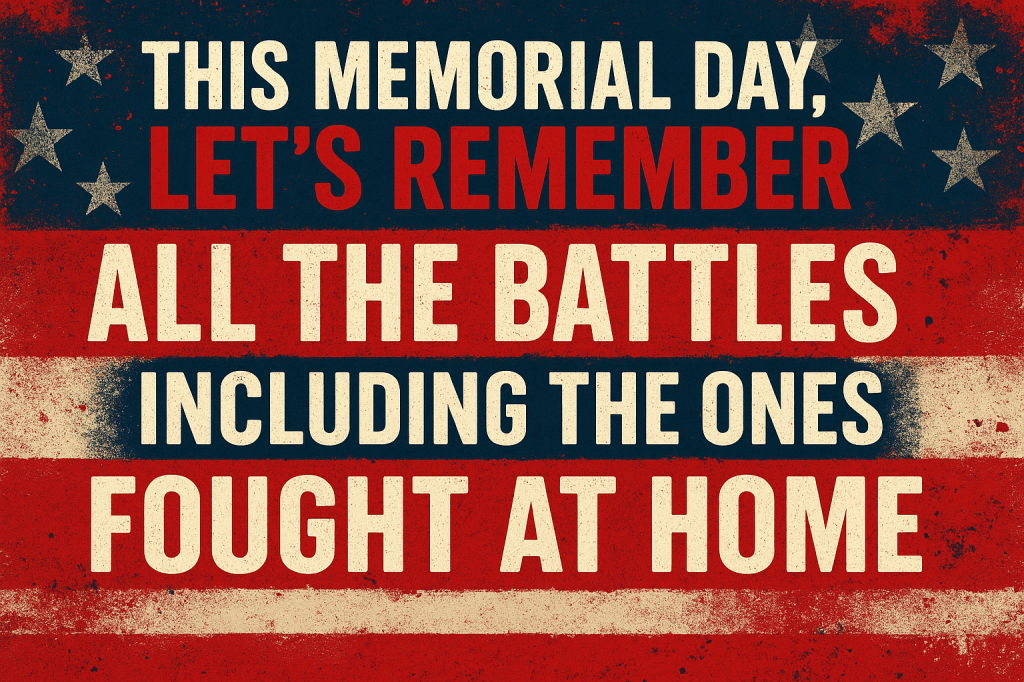
Memorial Day is a sacred time of reflection. We pause to honor the men and women who died in service to our country, who made the ultimate sacrifice on foreign soil, in defense of liberty, democracy, and the lives of people they would never meet.
But there’s another battlefield—one far less acknowledged—where too many of our service members lose their lives. It’s not marked by gunfire or IEDs, but by custody hearings, false accusations, isolation, and despair. It’s the battlefield of the broken family court system.
Today, and this weekend, we remember not just those who died in uniform, but also those who came home only to face a different kind of war: the war for their children, their dignity, and their right to exist as fathers, husbands, and human beings.
The Battle After the War
For thousands of veterans, the trauma of military service doesn’t end when they’re honorably discharged. Many return home with visible and invisible wounds—PTSD, traumatic brain injuries, depression, anxiety. And when a relationship breaks down, the family court system too often weaponizes these same conditions against them.
Instead of support and understanding, these veterans are met with suspicion and stigma. A diagnosis becomes a liability. A service dog becomes a red flag. Military service, once seen as honorable, suddenly becomes a reason to question one’s parenting capacity.
When custody disputes arise, veterans—especially fathers—often find themselves on the losing end, not because they are unfit, but because the system is steeped in bias. A single accusation, however baseless, can trigger years of supervised visits, restraining orders, and court-ordered silence. And if they dare to fight back, they’re labeled as combative.
The Data They Don’t Want to Talk About
According to multiple studies and surveys, divorced men are over eight times more likely to die by suicide than married men. Veterans are already at elevated risk. Combine these two groups—veterans going through high-conflict custody battles—and you have one of the most vulnerable populations in the country. Yet no national database tracks how many veterans have died by suicide during or after family court involvement. Why?
Because if we admitted how many fathers, particularly those who served this country, are dying from heartbreak and hopelessness, we’d have to confront the cruelty of a system that refuses to see them as human.
We’d have to ask why we so easily believe the worst about a father but give every benefit of the doubt to his accuser.
We’d have to demand why a veteran who fought for freedom is so easily stripped of his own rights—without due process, without evidence, without recourse.
More Than a Flag and a Folded Letter
Memorial Day ceremonies often feature flags folded into triangles, the haunting sound of Taps, and a solemn salute. But what about the father who died alone in his apartment, months after being denied visitation? What about the vet who took his life in a motel parking lot because the court wouldn’t even enforce its own order letting him see his daughter?
Their funerals didn’t come with fanfare. But their service deserves our remembrance.
These men should still be here—for their children, for their country, for themselves. They should be celebrated on Veterans Day, not memorialized on this one.
What We Can Do
If Memorial Day is about honoring sacrifice, then let it also be a day to confront the preventable losses. Let it be a call to action to reform the family court system that fails our veterans:
- Mandate trauma-informed, veteran-competent training for all family court judges and staff.
- Enforce due process and the presumption of innocence in all family law matters.
- Create independent oversight commissions for courts that handle military families.
- Fund fatherhood initiatives and legal support programs for veterans in family court battles.
- Elevate the voices of veteran fathers before it’s too late.
We can’t undo the losses, but we can prevent the next one.
Remember All the Fallen
So today, and this weekend, as you lay flowers, say a prayer, or lower the flag to half-staff, remember all who have fallen—including those who died in a different kind of war.
The war at home. The war in the courtroom. The war inside themselves.
And let us vow to build a country that not only honors its heroes in death—but fights like hell to protect them in life.
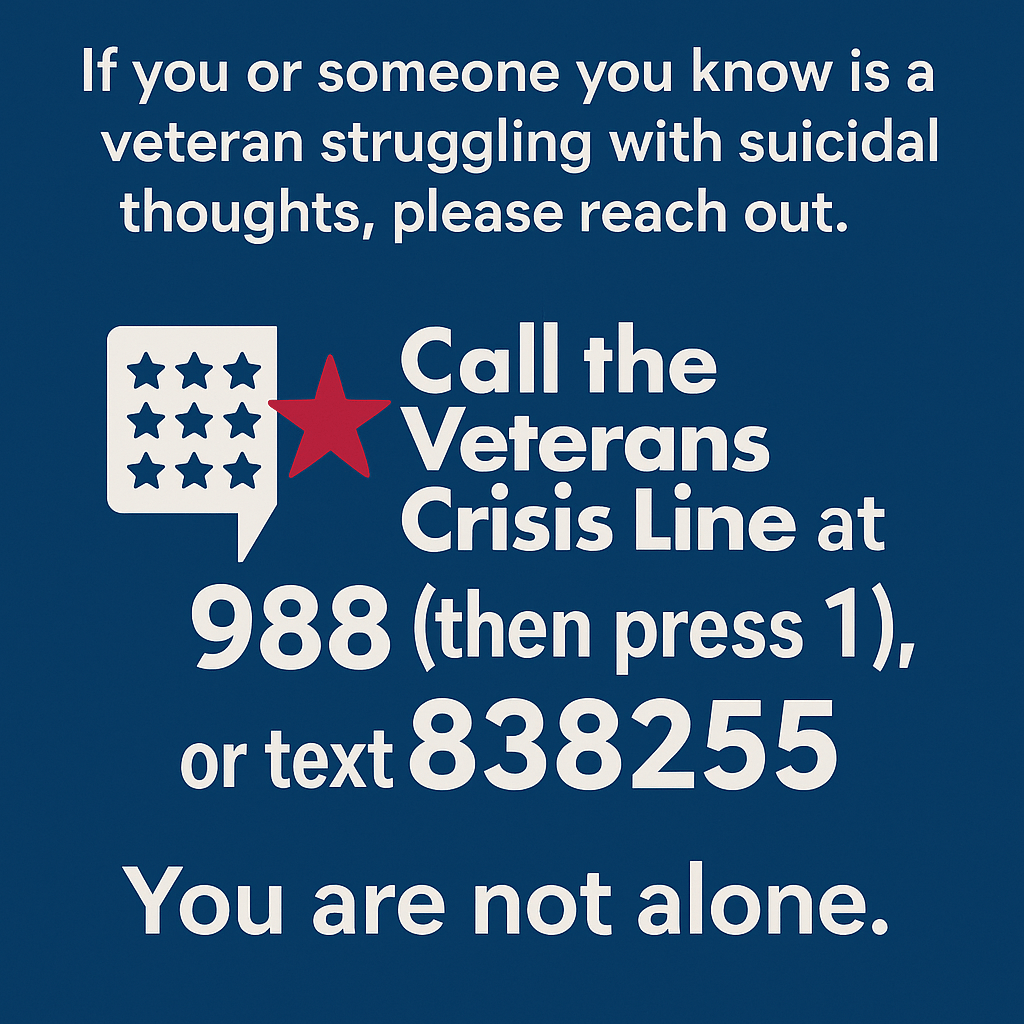
If you or someone you know is a veteran struggling with suicidal thoughts, please reach out.
Call the Veterans Crisis Line at 988 (then press 1), or text 838255. You are not alone.
To support family court reform and advocate for veterans and fathers, visit Father & Co. on Substack or donate to help fund investigative journalism and reform efforts.
 Republic Dispatch