Trade
- Tariffs & Sanctions
- Global Markets
- Energy & Resources
- Supply Chains
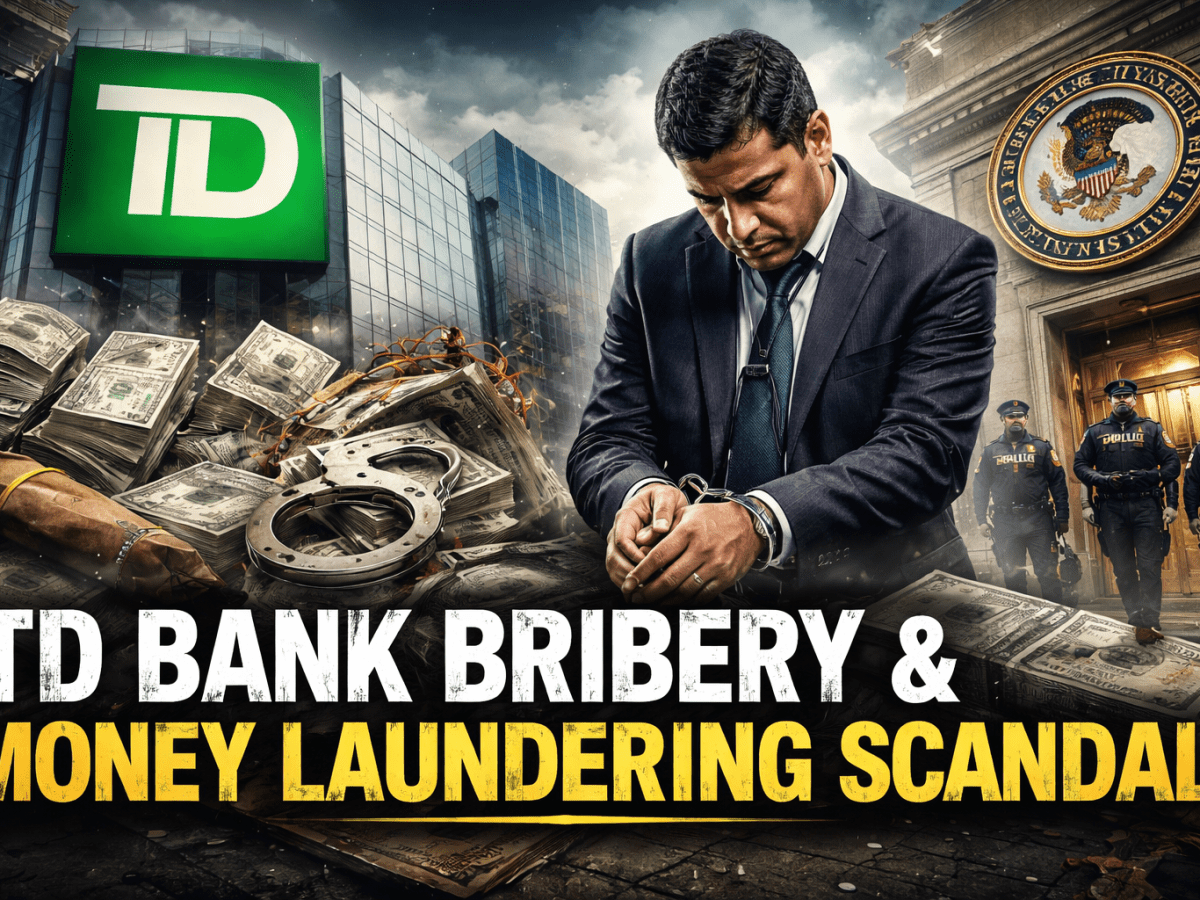
TD Bank Insider Pleads Guilty in $55 Million Bribery and Money Laundering Scheme Linked to Colombia
A former TD Bank employee pleaded guilty to accepting bribes and laundering over $55 million linked to Colombian criminal activity. He exploited his insider access, bypassing anti-money laundering protocols. This case highlights vulnerabilities in financial institutions and emphasizes the need for stronger regulatory enforcement to prevent similar schemes and protect national security.

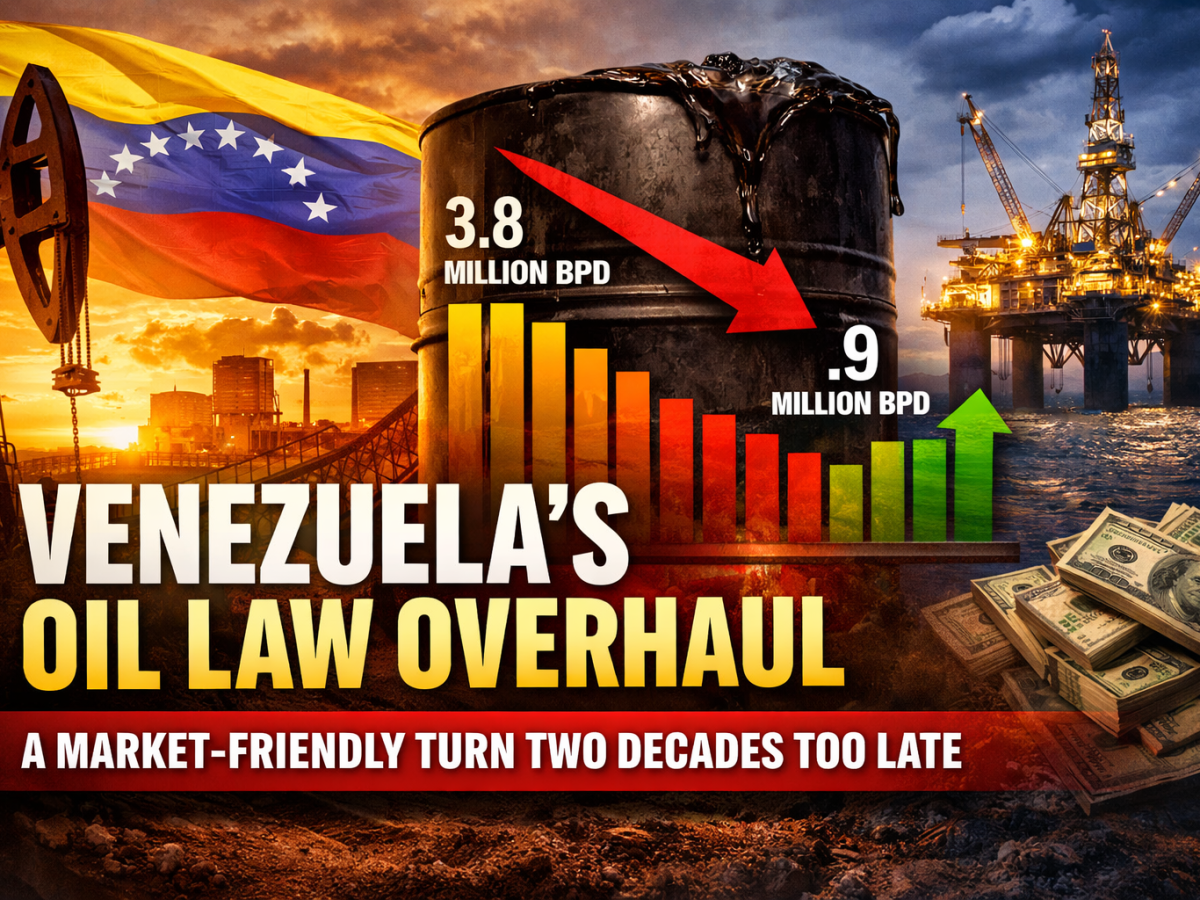
Venezuela’s Oil Law Overhaul: An Opportunity for Markets, Not Socialism
On January 29, 2026, Venezuela’s acting president enacted significant reforms to the hydrocarbon sector, aiming to attract foreign investment and restore oil production. The changes mark a shift from state control to market principles, addressing long-standing challenges such as mismanagement and infrastructure decay, crucial for economic recovery and sustainability.
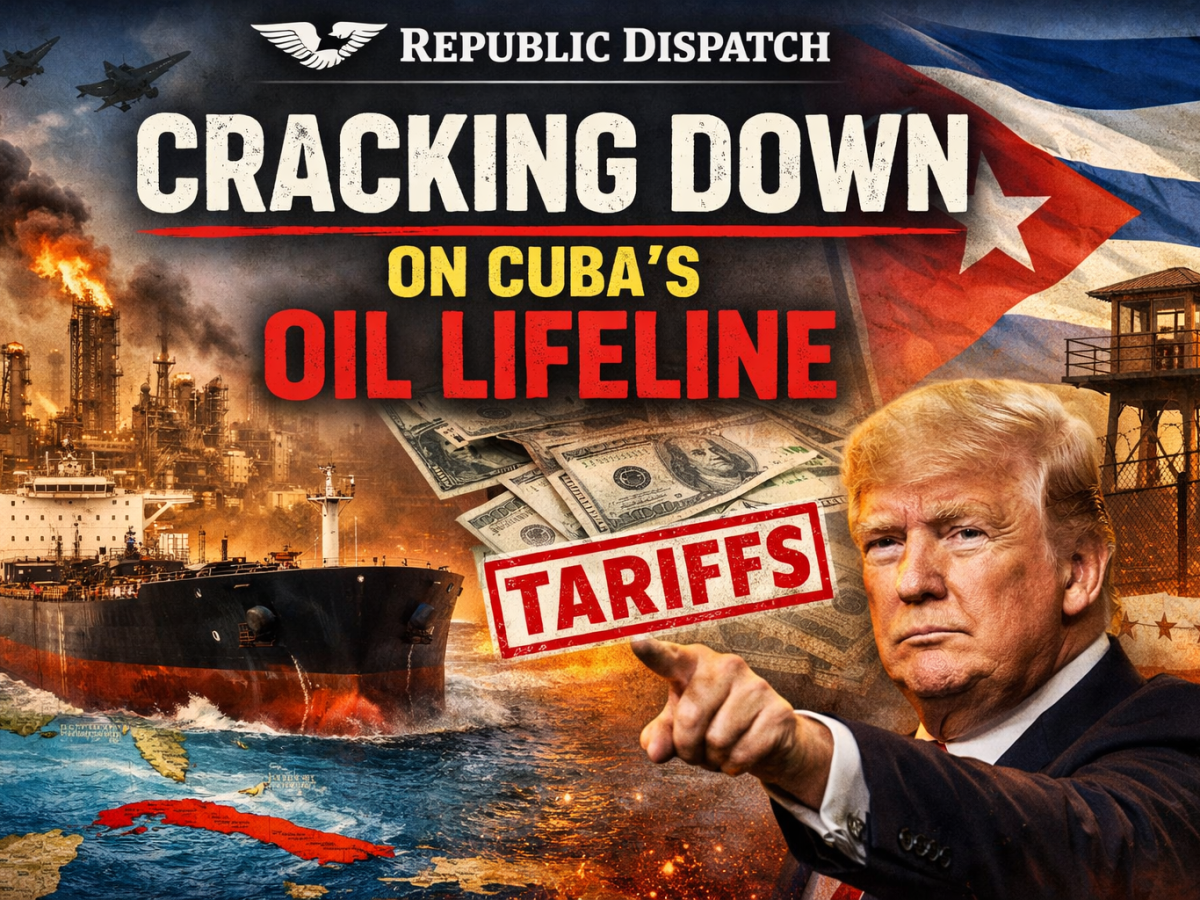
Trump’s Cuba Oil Pressure Signals a Hard Reset on Energy, Enforcement, and the Western Hemisphere
The U.S. has intensified sanctions on oil shipments to Cuba, underlining a shift in foreign policy during Trump’s administration. This strategy combines enforcement, trade leverage, and regional deterrence, aiming to cut Cuba’s fuel supply and pressure countries involved in trade facilitation. It signals that U.S. market access requires compliance with its sanctions.
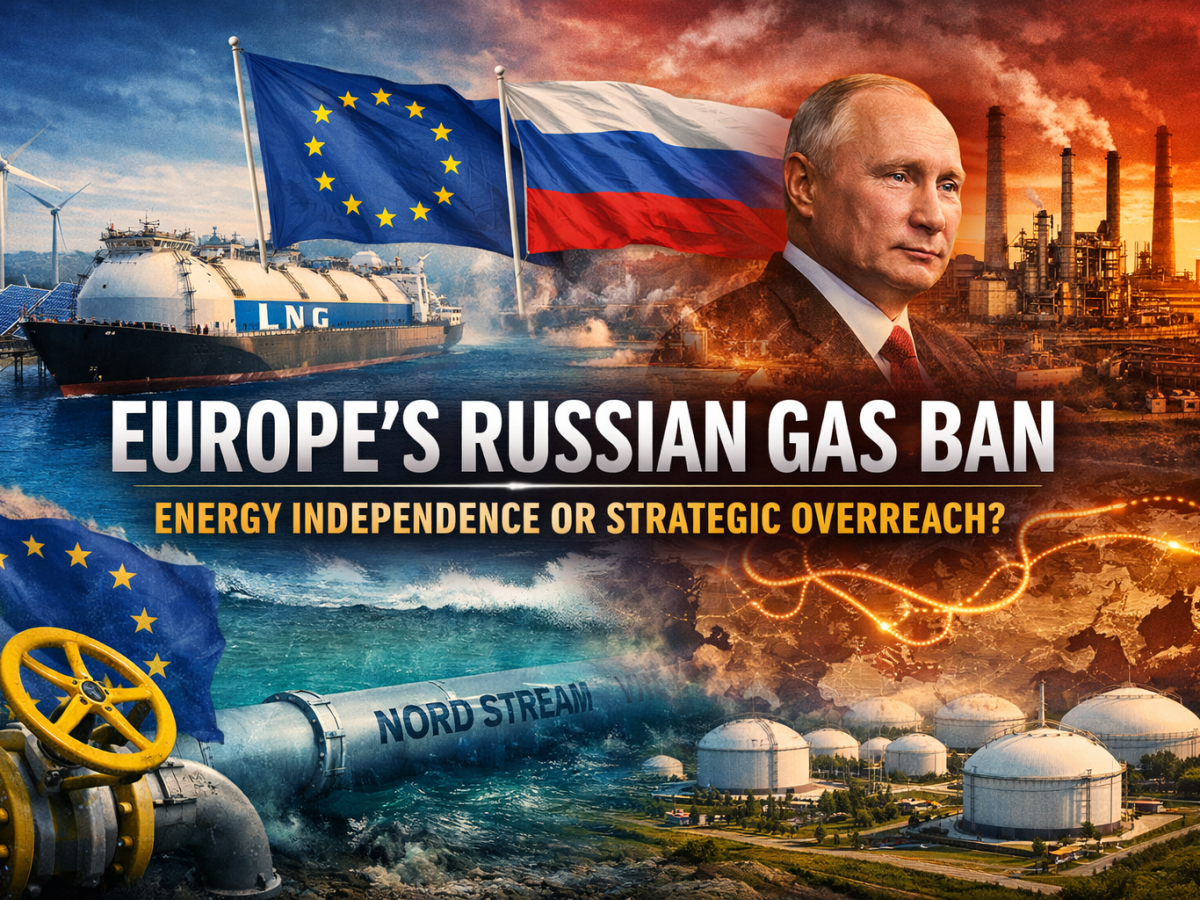
Europe’s Russian Gas Ban: Energy Independence or Strategic Overreach?
The European Union has announced a complete ban on Russian natural gas imports by 2027, driven by the need for energy security following the Ukraine invasion. While this move aims to reduce dependence on Russia, concerns over elevated energy prices, economic self-harm, and reliance on alternative foreign suppliers persist, challenging Europe’s stability.
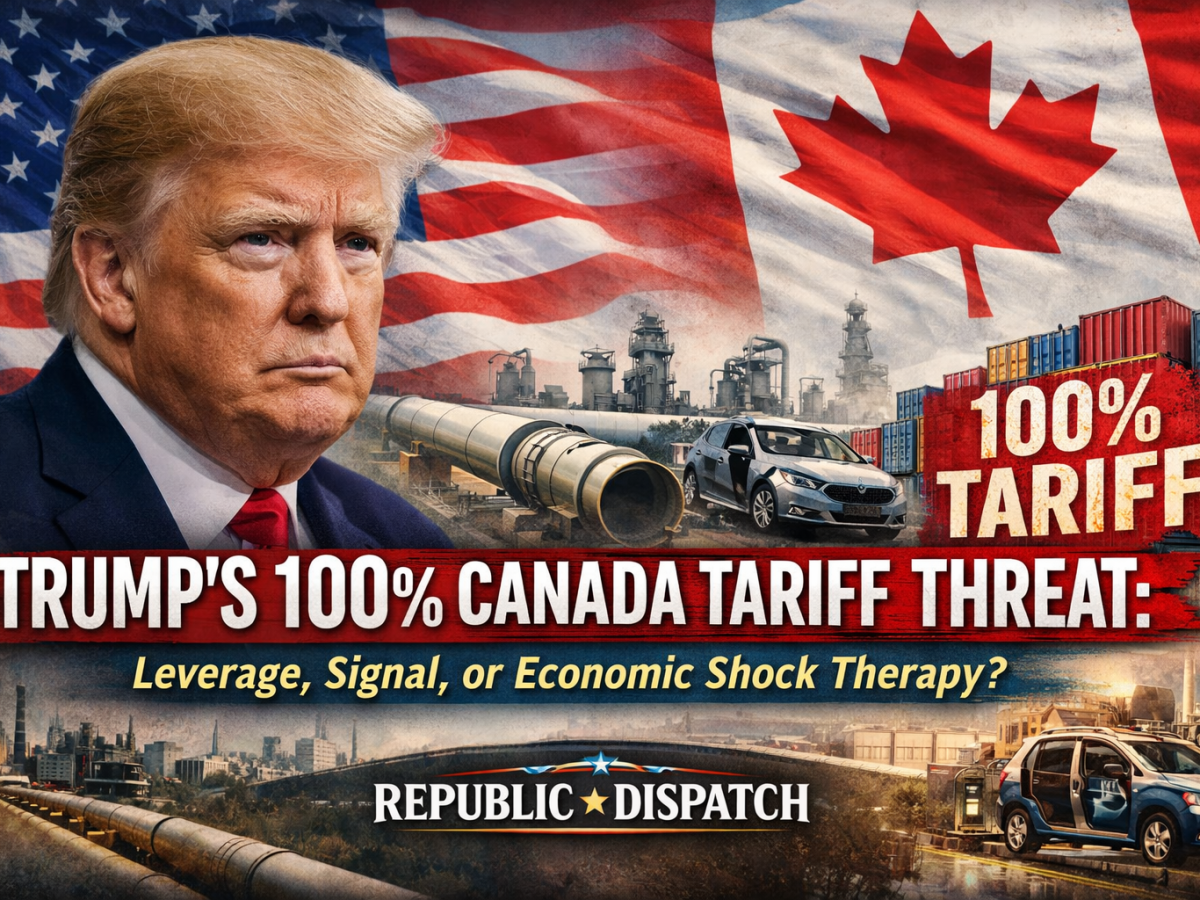
Trump’s 100% Canada Tariff Threat: Leverage, Signal, or Economic Shock Therapy?
President Trump’s proposal of a 100 percent tariff on Canadian imports has raised alarms about potential economic disruption. This bold threat, amidst ongoing trade disputes, serves as leverage but risks severe impacts on energy and auto manufacturing. Aligning with economic nationalism, it highlights the delicate balance between renegotiating ally relationships and maintaining stability in trade.
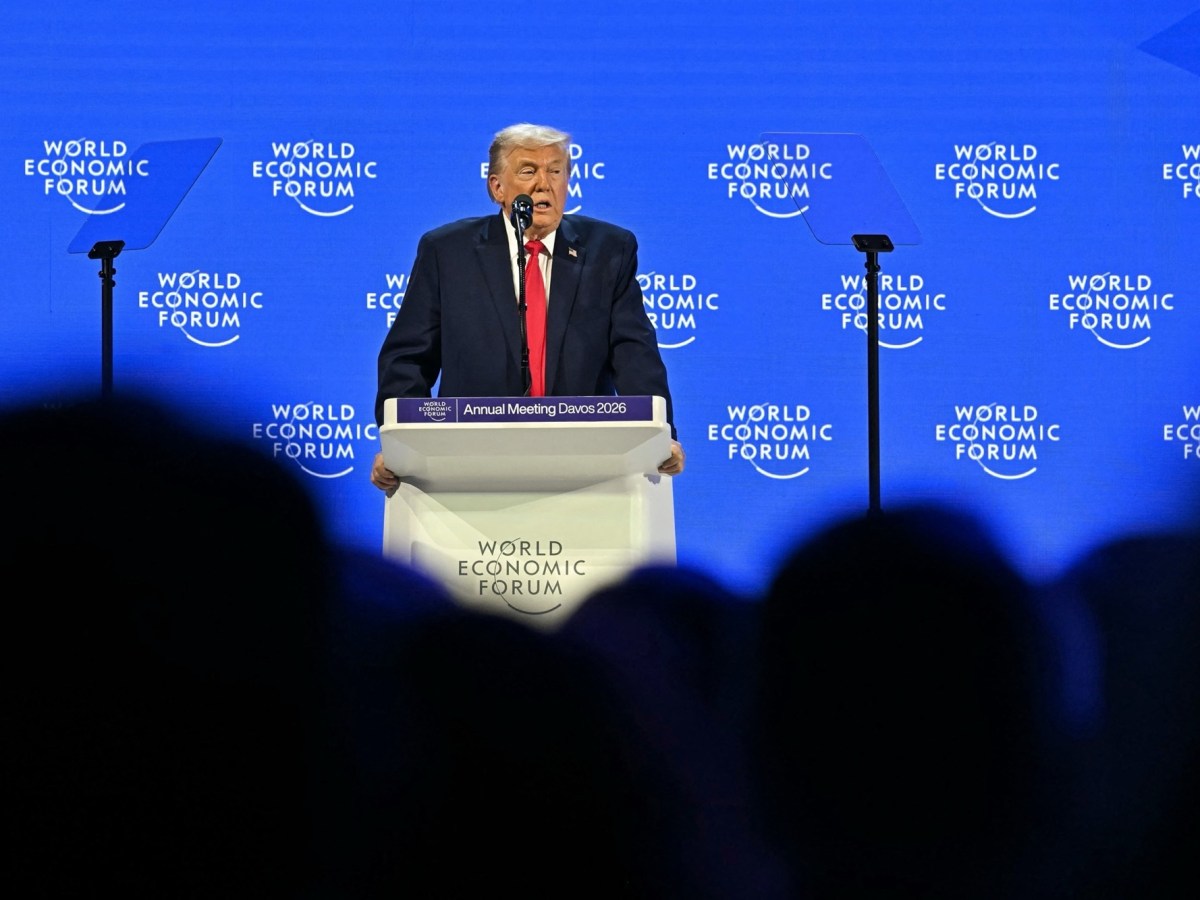
Trump at Davos: A Prosperity Agenda Rooted in Sovereignty and Strength
At the World Economic Forum in Davos, President Trump laid out a vision of American prosperity rooted in sovereignty, energy independence, and reciprocal trade—challenging the global economic consensus and calling for a more balanced transatlantic partnership.
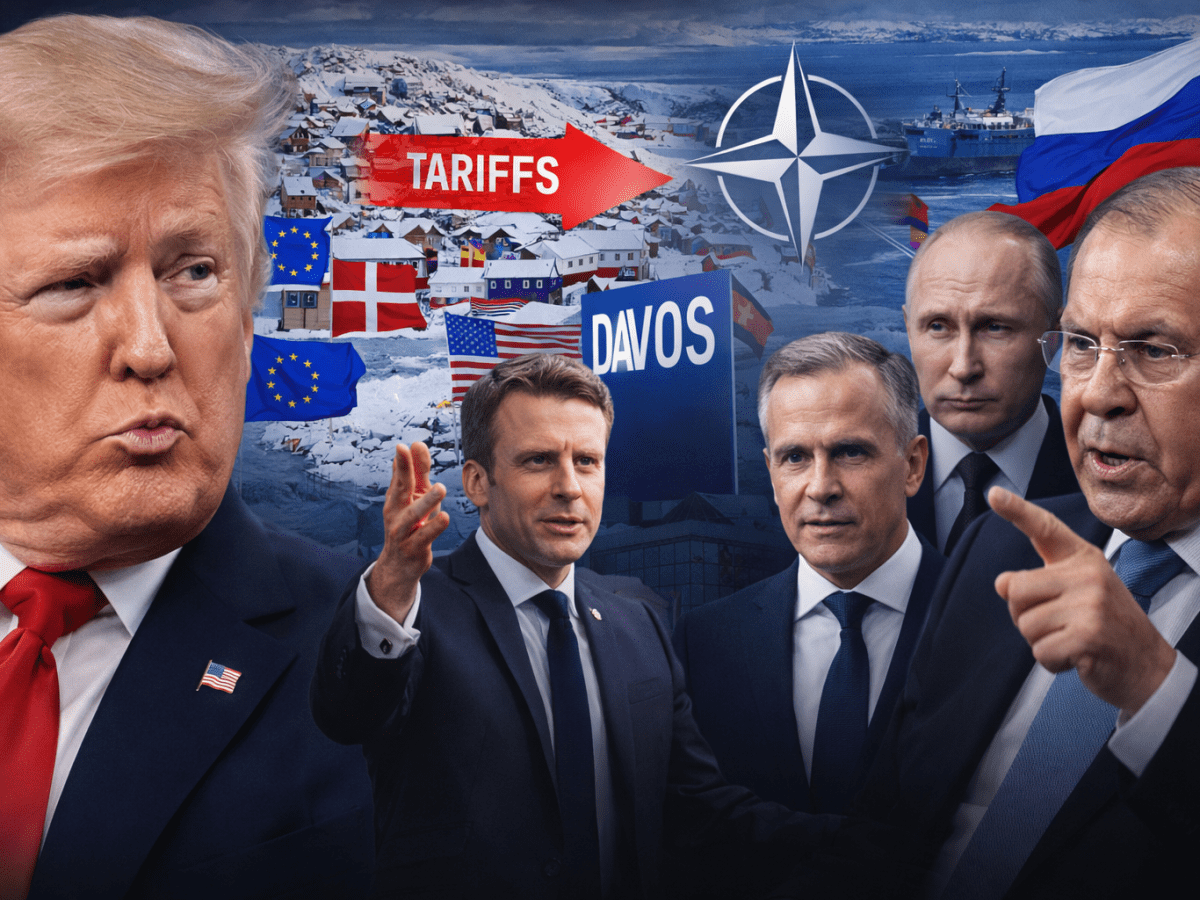
Greenland, Davos, and the New Coercion Cycle: How Trump’s Arctic Push, Allied Backlash, and Russia’s Gloating Connect
President Trump’s renewed interest in acquiring Greenland has sparked a significant geopolitical crisis affecting Western alliances. The situation combines trade threats, NATO’s credibility challenges, and European responses. Leaders are grappling with the implications of coercion on alliances, as both domestic politics and international relations are reshaped alongside concerns about Russia benefiting from Western discord.
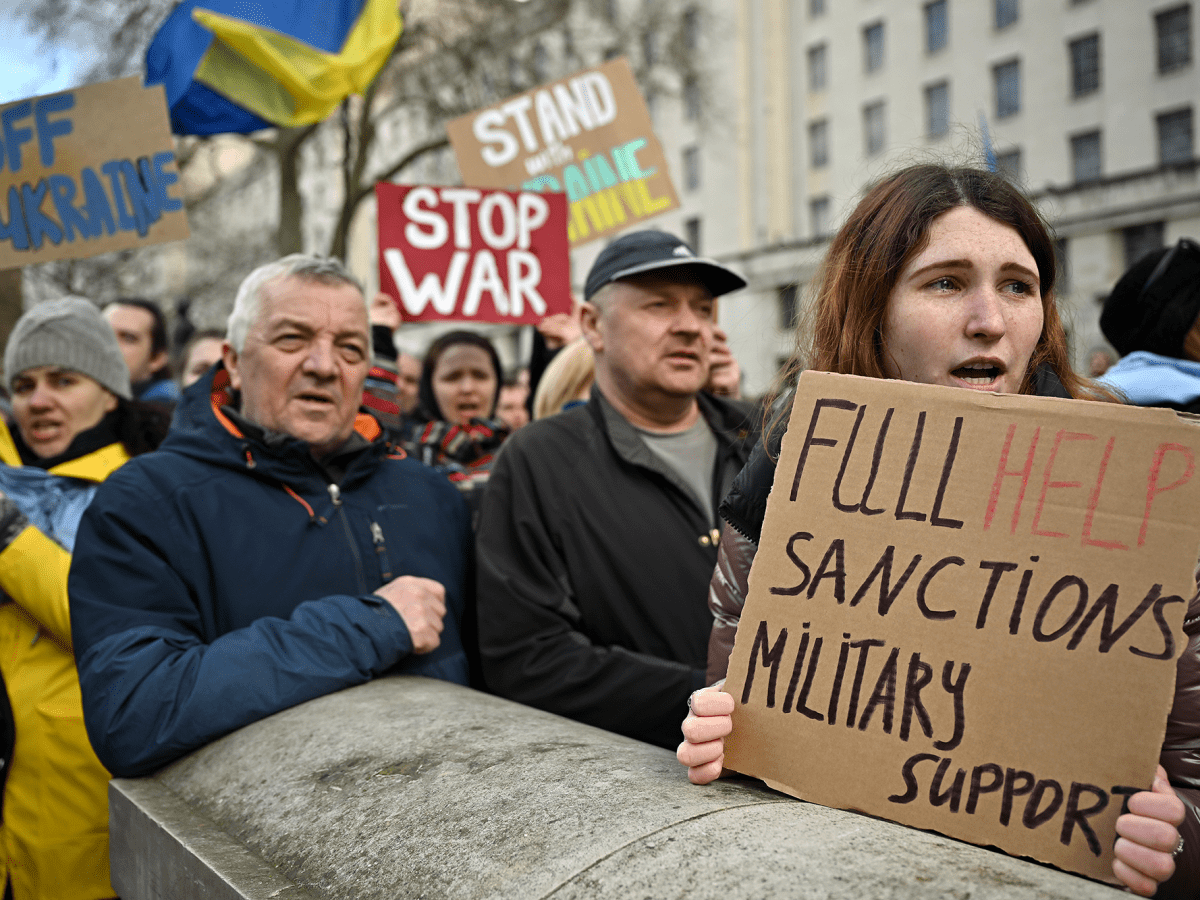
How Sanctions Actually Work—and Why They Often Hurt Civilians First
Sanctions are widely used in foreign policy to influence nations without military force but often fall short of their goals. While designed to pressure elites, they frequently harm civilians and strengthen state control. Their persistent use, despite mixed results, reflects political convenience, raising concerns about long-term global consequences.
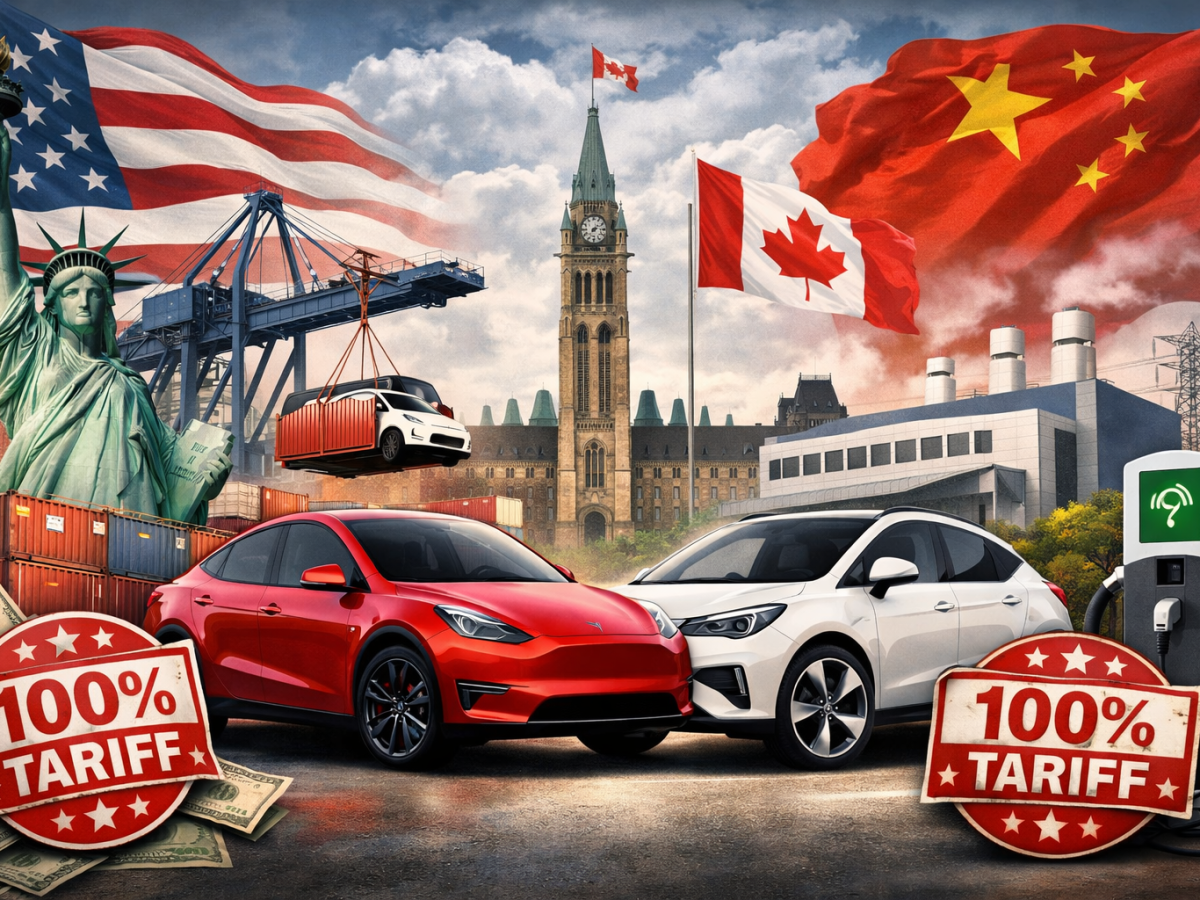
Tariffs, Trade, and the EV Squeeze: How U.S.-China Tensions Are Reshaping Canada’s Electric Car Market
As the U.S. imposes strict tariffs on Chinese electric vehicles to protect domestic manufacturing, Canada adopts a more open approach, sparking tensions. This creates a standoff among the U.S., China, and Canada, with implications for the EV market and broader climate goals, highlighting the struggle between economic nationalism and affordability.

Trump Tariff Threats Put EU–Greenland Trade on Edge as Arctic Stakes Rise
As global attention shifts, Donald Trump’s potential tariffs on the European Union signal a critical shift in North Atlantic geopolitics, notably concerning Greenland. The territory’s strategic importance for Arctic access and infrastructure underscores a merging of economic and security policies. This situation challenges Europe to reassess its approach amid rising global competition.

Trump Takes the Davos Stage—Virtually—With a Message Global Elites Didn’t Expect
At the World Economic Forum in Davos, Donald Trump delivered a significant virtual address, directly challenging traditional globalist perspectives on climate and trade. His message emphasizes national strength over international alignment, aligning with his past critiques of globalization. Trump’s presence highlights the shifting relevance of populist-nationalist views in contemporary politics.
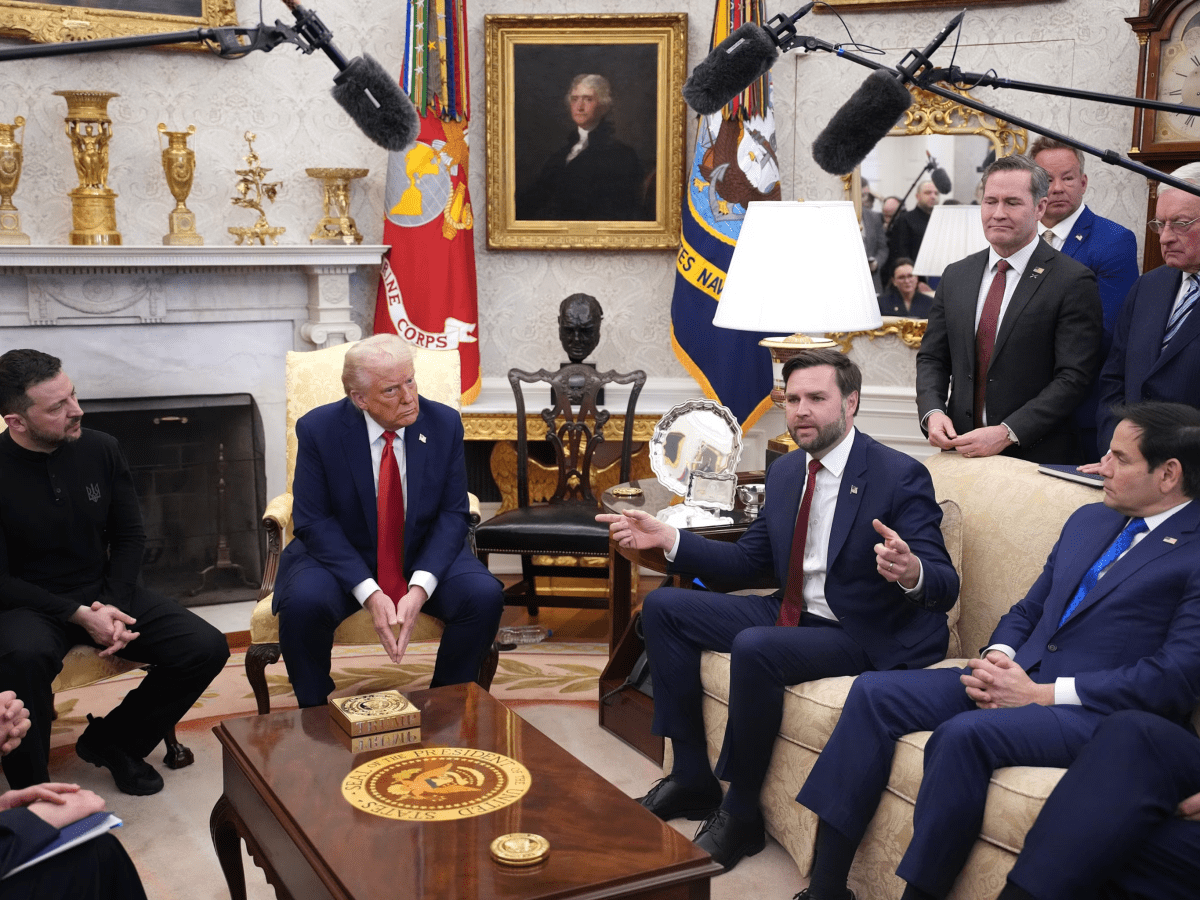
Top 5 Global Scandals and Stories That Shaped U.S. Foreign Policy in 2025
In 2025, U.S. foreign policy under President Trump shifted to a more transactional and unilateral approach, marked by significant developments such as aggressive tariff wars, the dismantling of USAID, a reversal in Ukraine support, military strikes on drug traffickers, and heightened tensions with China. These changes disrupted alliances and reflected a fundamental transformation in America’s…
The Price of Your Child: How Family Court Became a Billion-Dollar Industry
What is the price of your child? In family court, it’s whatever the system can extract—through legal fees, child support orders, court-mandated services, and endless litigation. This isn’t justice. It’s a billion-dollar industry built on your heartbreak. Behind every “best interest of the child” ruling lies a profit motive no one wants to talk about.…
If AI Takes the Job, It Should Pay the Tax
As AI increasingly replaces human workers, concerns about fairness arise since AI does not contribute to Social Security despite benefiting from the system. A proposed “AI-Payroll Parity” policy suggests taxing AI the same as human workers to preserve social safety nets and prevent a widening economic divide.
 Republic Dispatch