Technology
- Tech Competition (U.S.–China, etc.)
- Semiconductors & Supply Chains
- Cyber Warfare
- Surveillance States
- Digital Authoritarianism

EU Censorship Files Expose a Global Pressure Campaign on Speech and Elections
The House Judiciary GOP disclosed documents alleging that the European Commission pressured tech platforms to censor lawful political speech globally, particularly during elections. Dubbed “The EU Censorship Files, Part II,” the files indicate efforts to suppress content deemed undesirable and suggest EU laws, particularly the Digital Services Act, are influencing U.S. speech norms.


U.S.-Backed Crackdown Shuts Down Bulgaria’s Largest Piracy Networks
U.S. law enforcement collaborated with Bulgarian authorities to dismantle three major online piracy platforms, marking a significant win against transnational digital theft. This operation emphasizes the importance of international cooperation and stronger cyber enforcement strategies to address large-scale online piracy, reinforcing that digital crime is treated like organized crime.

Trump Administration Blocks Military Training Technology Bound for China
The Trump administration has seized anti-submarine warfare mission crew trainers destined for China, emphasizing strict enforcement of U.S. export controls. This action aims to prevent China from gaining military advantages through sophisticated training systems. It reflects a broader strategy to enhance national security and deter adversaries in a competitive global landscape.

AI’s Hidden Price Tag: How the Data Center Boom Is Making Everyday Tech More Expensive
The AI boom is straining semiconductor supply, causing consumer electronics prices to rise by 5% to 20% by 2026 due to prioritization of high-margin chips for AI data centers. Companies are stockpiling parts, and rising costs are being passed to consumers. This situation hints at a long-term “AI tax” impacting households.
Trump’s NDAA Slam-Dunks the “Digital Escort” Loophole — and Serves Notice to Big Tech
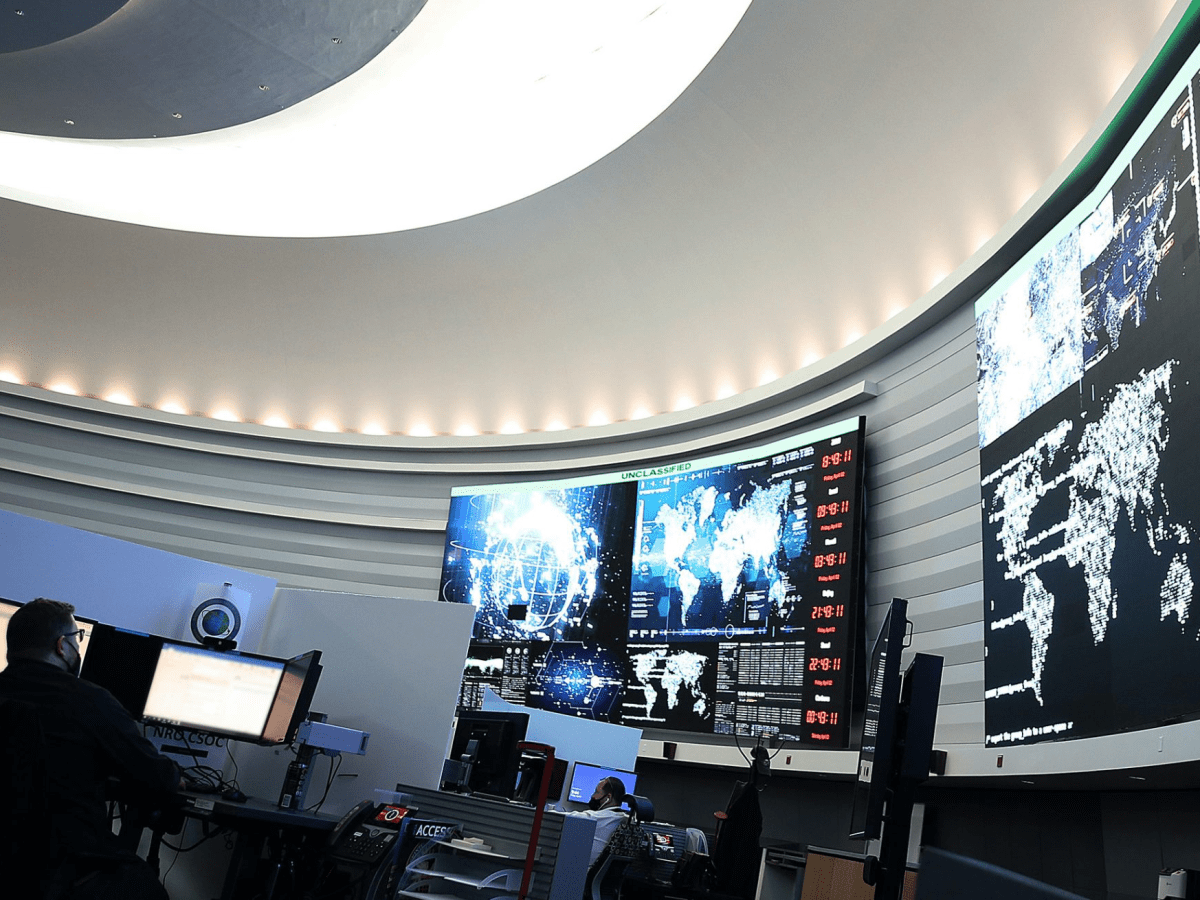
The FY2026 National Defense Authorization Act prohibits foreign nationals from accessing Department of Defense cloud systems, responding to revelations about Microsoft’s use of China-based engineers. Section 1692 bans direct and indirect access, emphasizing national security over cost-cutting and closing contractor loopholes ensuring that sensitive information remains protected.
If AI Takes the Job, It Should Pay the Tax
As AI increasingly replaces human workers, concerns about fairness arise since AI does not contribute to Social Security despite benefiting from the system. A proposed “AI-Payroll Parity” policy suggests taxing AI the same as human workers to preserve social safety nets and prevent a widening economic divide.
 Republic Dispatch