Conflict
- Wars & Armed Conflicts
- Ceasefires & Peace Talks
- Military Operations
- Security Flashpoints
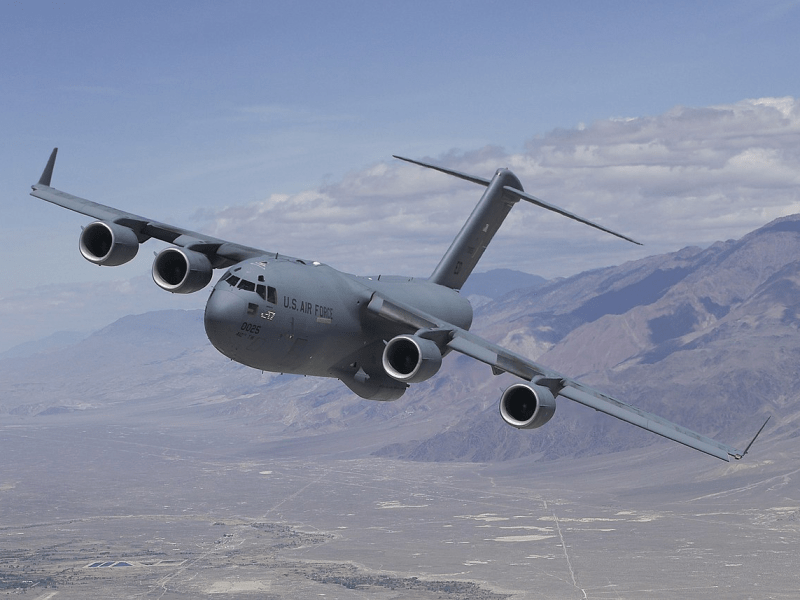
Actions Over Headlines: U.S. Military Movements Signal Serious Pressure on Iran
Recent narratives suggest President Trump is retreating from confrontation with Iran, yet military movements indicate otherwise. The U.S. is strategically positioning resources, including airlift assets to Diego Garcia and two carrier strike groups towards the Middle East, signaling preparation for potential operations rather than de-escalation.

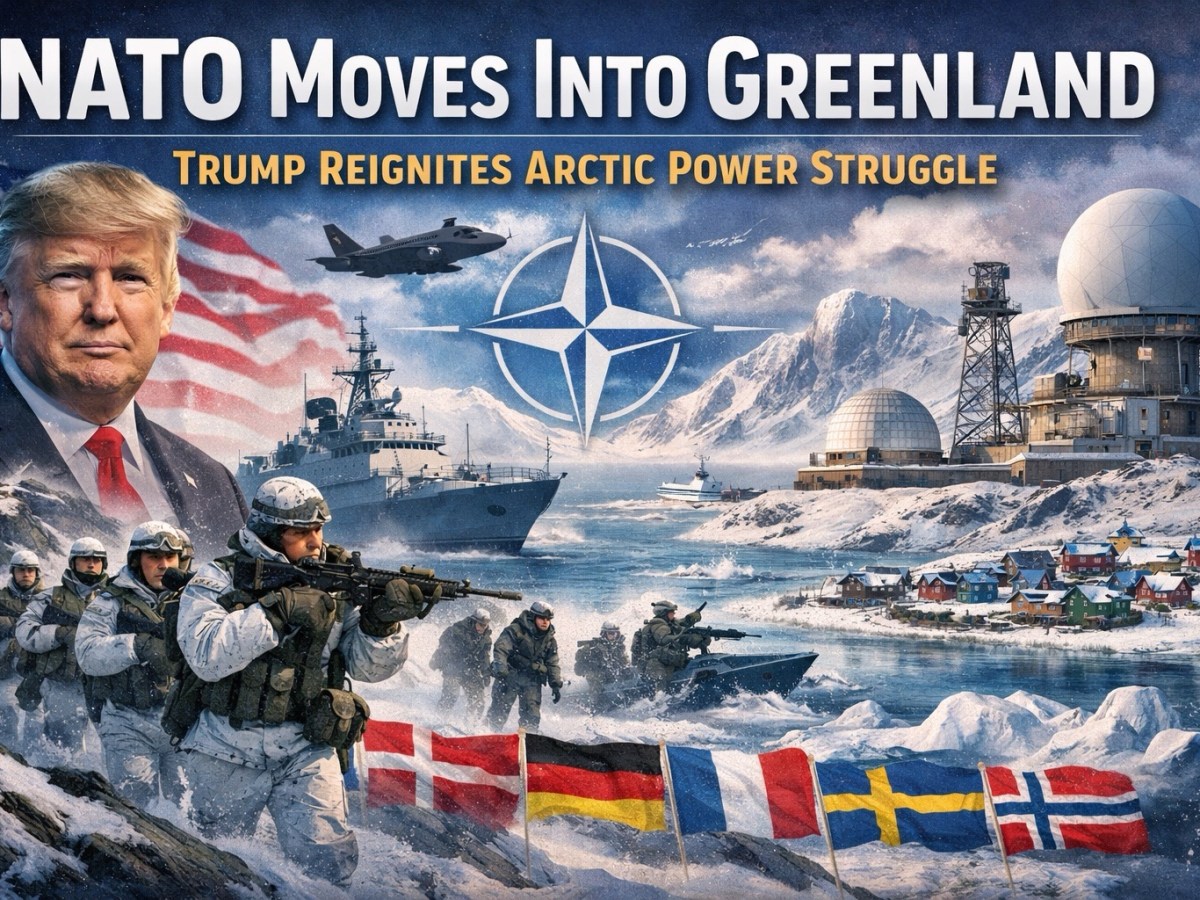
NATO Moves Into Greenland as Trump Reignites Arctic Power Struggle
NATO allies have begun deploying forces to Greenland under a Danish-led Arctic exercise following tense talks with Washington, as President Trump renews his push for U.S. control of the strategically vital island—testing alliance unity and raising fresh questions about sovereignty, security, and power in the High North.
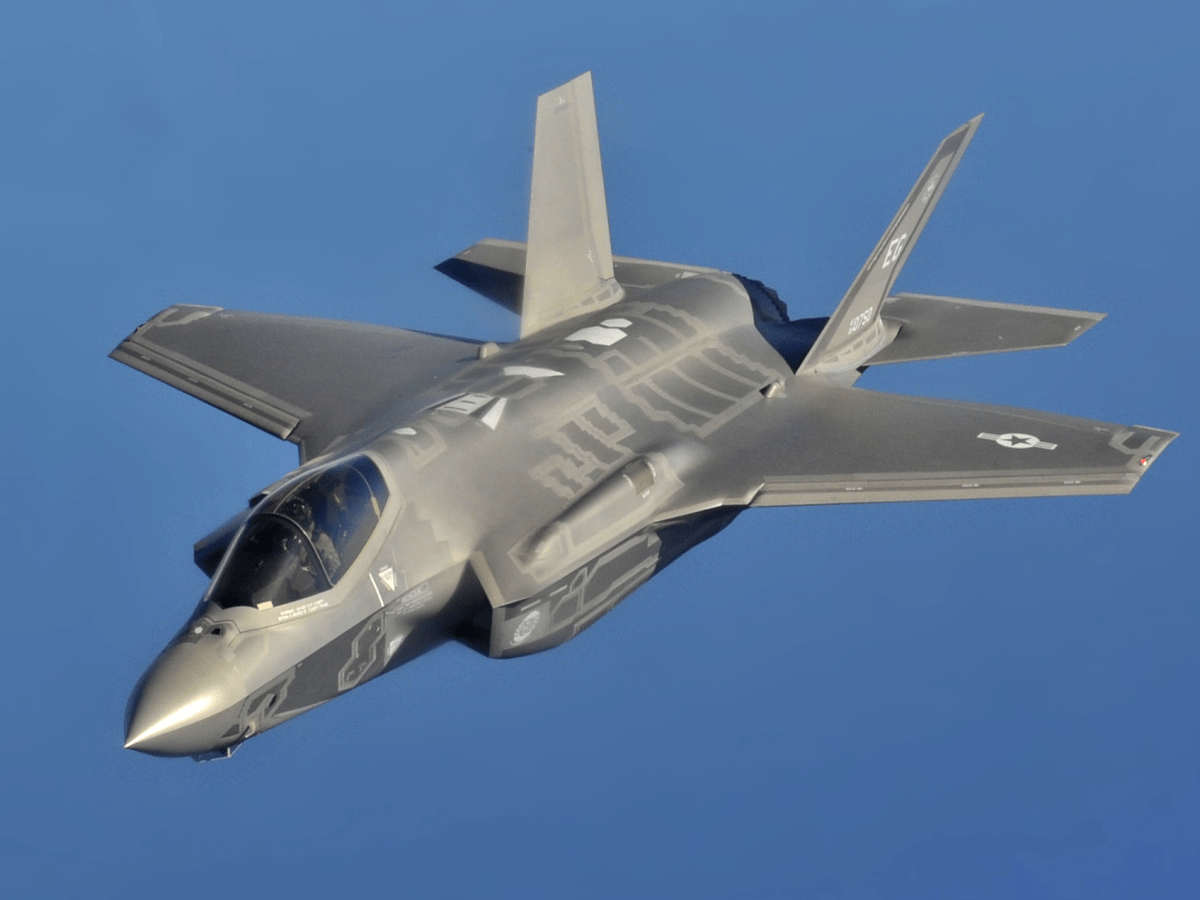
Gripen Jobs vs. Fifth-Generation Reality: Canada’s Fighter Choice Is a Strategic Test
Canada’s fighter jet procurement debate intensifies as Saab proposes the JAS 39 Gripen to replace the F-35A, offering substantial job creation and domestic manufacturing. However, the Gripen’s lower capabilities and stealth features raise concerns about defense readiness and interoperability with U.S. forces, highlighting the balance between economic benefits and strategic needs.
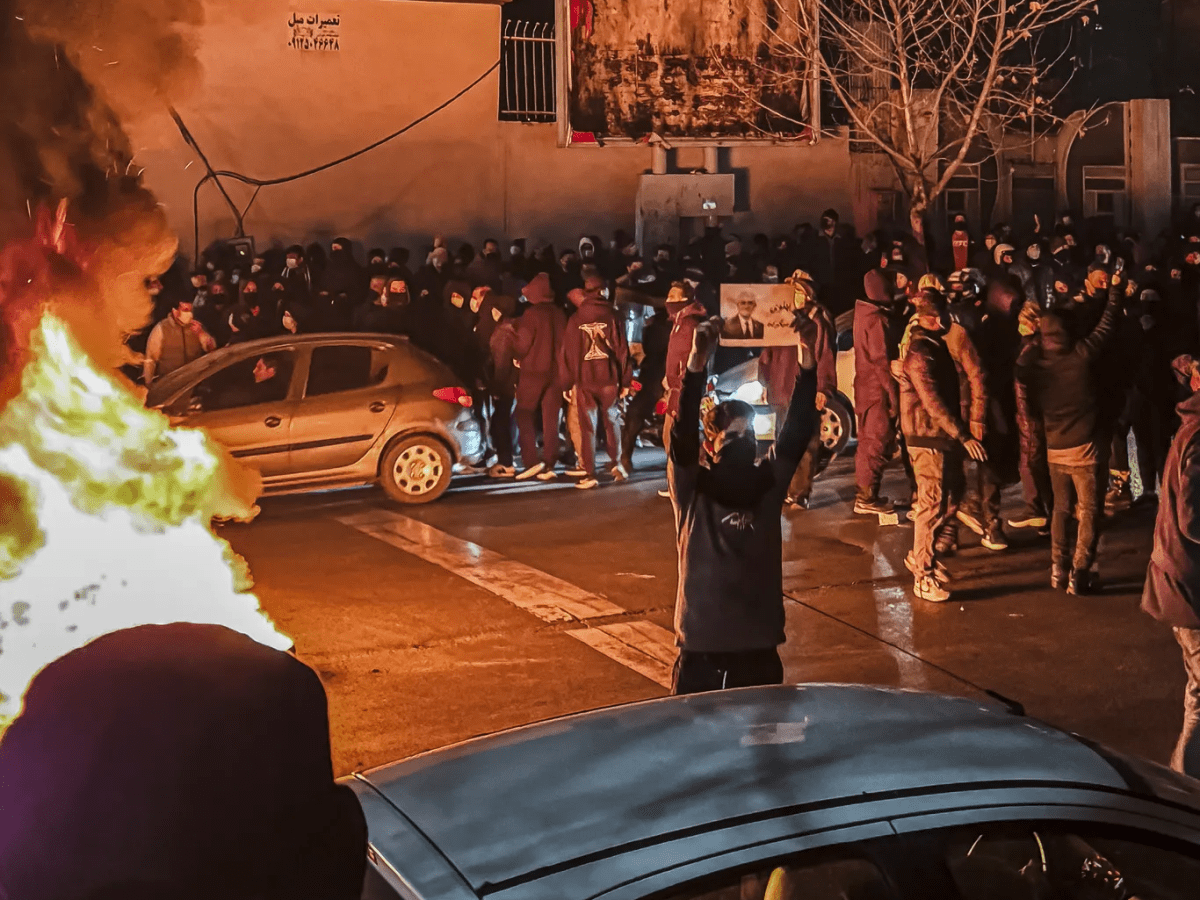
As Iran Burns, Trump Weighs His Options
As thousands of Iranian protesters are killed in a brutal state crackdown, President Trump faces a stark choice: intervene and risk regional escalation, or hold back as Iran’s regime tightens its grip. With military, cyber, economic, and diplomatic options on the table, Washington’s next move could reshape the Middle East.
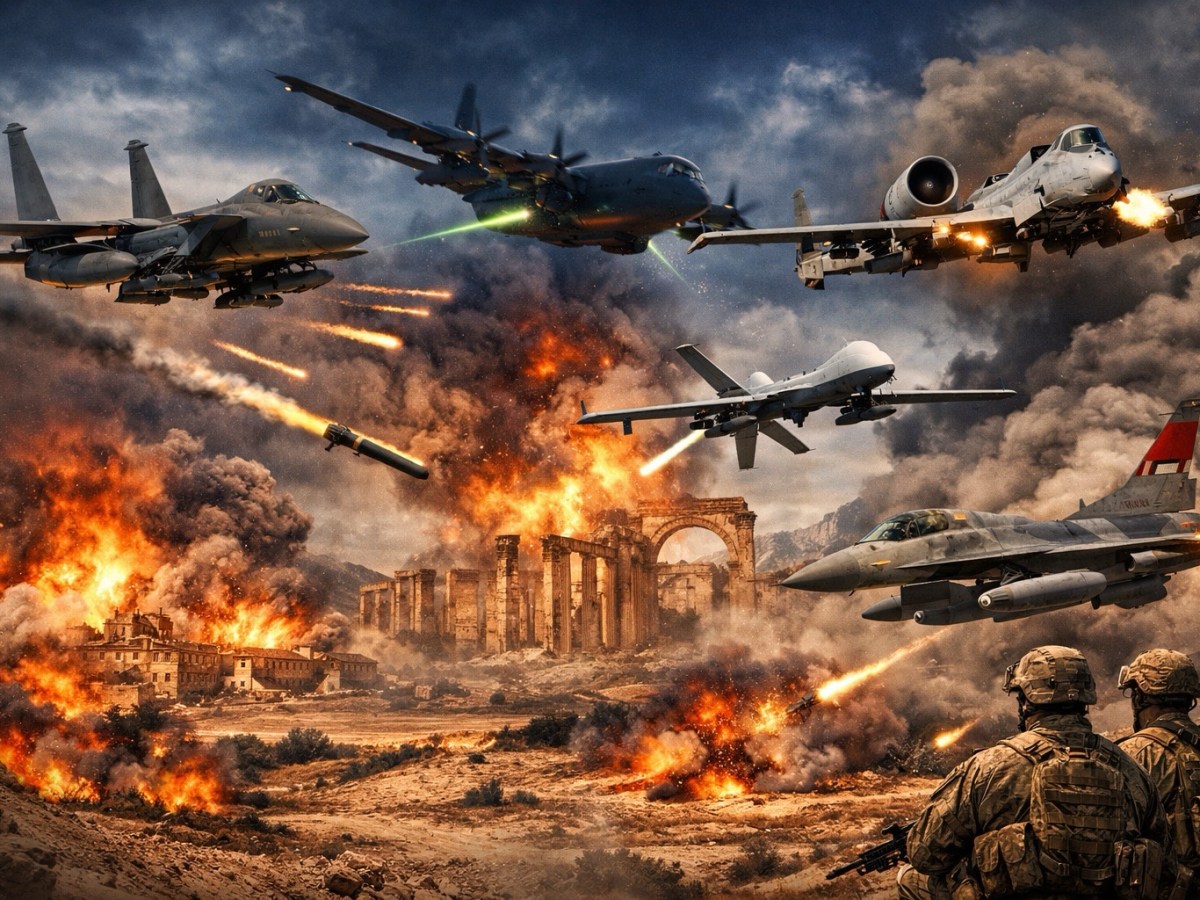
U.S. Strikes ISIS Targets in Syria in Retaliation for Deadly Ambush
The United States launched large-scale airstrikes across Syria targeting ISIS strongholds as part of Operation Hawkeye Strike, retaliating for a December ambush that killed three Americans and signaling renewed resolve to prevent an ISIS resurgence.
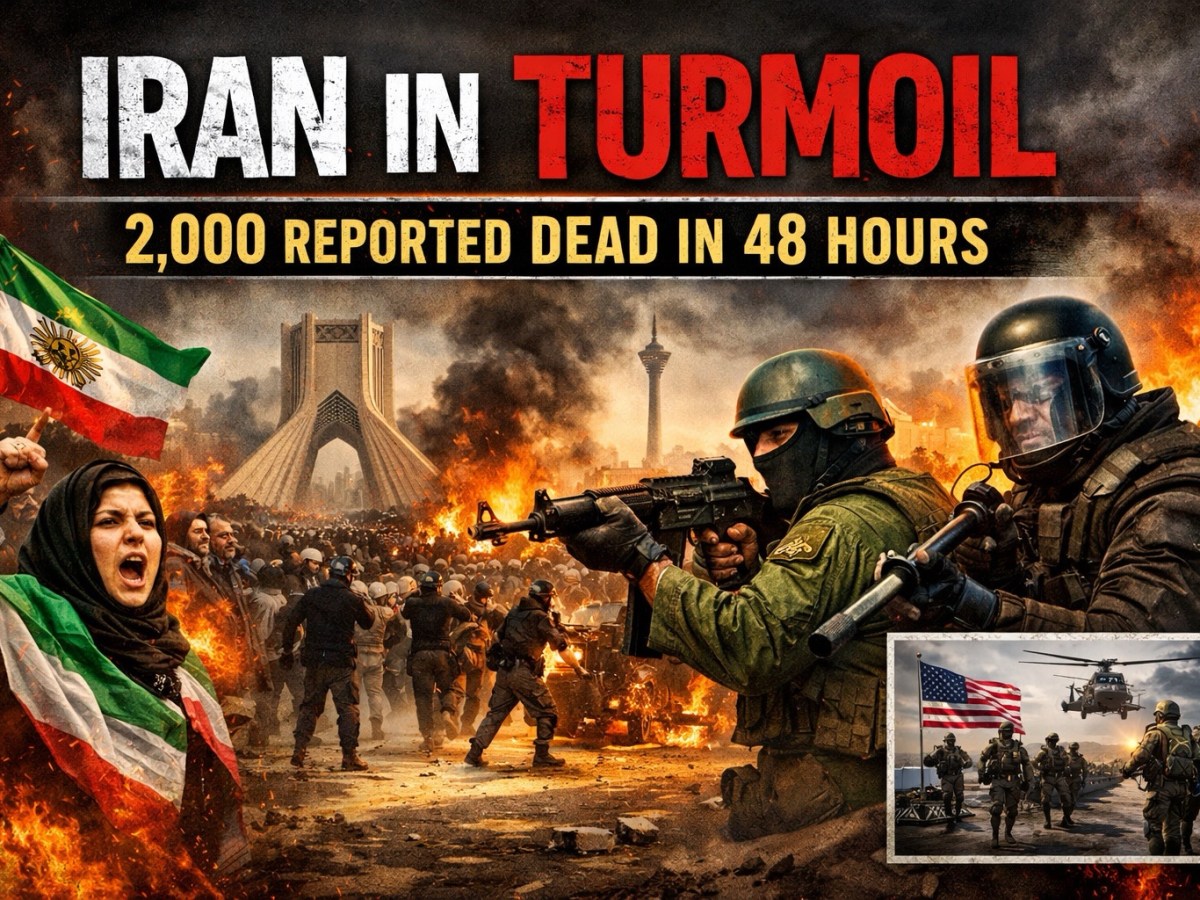
Iran Protests Enter Deadly Phase as Casualty Claims Surge and U.S. Issues Warning
Iran’s nationwide protests have entered a deadly new phase, with opposition-linked reports claiming thousands may have been killed amid a sweeping communications blackout. While casualty figures remain difficult to verify, the unrest represents one of the most serious challenges to the Islamic Republic in decades, drawing sharp warnings from the United States and renewed international…

War Powers vs. Results: Why the Senate’s Venezuela Vote Misses the Bigger Picture
The Senate’s 52–47 vote to advance a War Powers resolution targeting Trump’s Venezuela operation comes after Nicolás Maduro is already in U.S. custody—raising questions about whether Congress is defending constitutional balance or reacting too late to a decisive outcome.

Operation Resolve: After the Shock, Venezuela Faces Uncertain Transition
Operation Resolve successfully captured Nicolás Maduro and his wife, but challenges remain for the U.S. The regime stands firm, with Delcy Rodríguez as interim leader. Trump’s assertions about Venezuelan governance spark debates on legitimacy and sovereignty. The operation’s implications extend globally, raising concerns about U.S. intervention practices and Venezuela’s uncertain political future.

Operation Absolute Resolve: Justice, Power, and the Return of Hard American Force
The U.S. capture of Venezuela’s president marks a historic escalation in American foreign policy—ending years of impunity for a narco-state, igniting global backlash, and signaling the return of hard power in the Western Hemisphere.
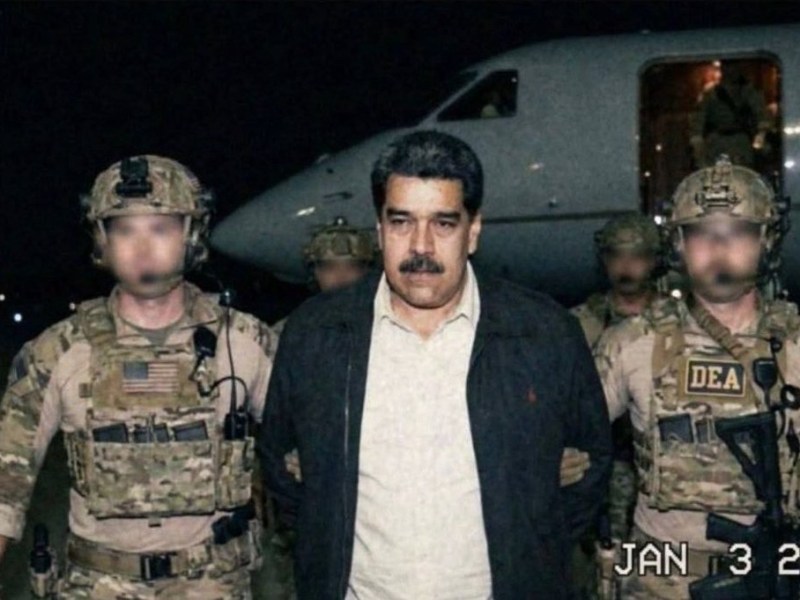
Maduro Captured in U.S. Raid as Trump Escalates “America First” in the Hemisphere
U.S. forces captured Venezuelan leader Nicolás Maduro in a pre-dawn operation in Caracas, marking the most direct American military intervention in Latin America in decades. The Trump administration says the mission enforced long-standing federal indictments, while critics warn of legal risks, regional instability, and dangerous precedent as Venezuela faces an uncertain transition.
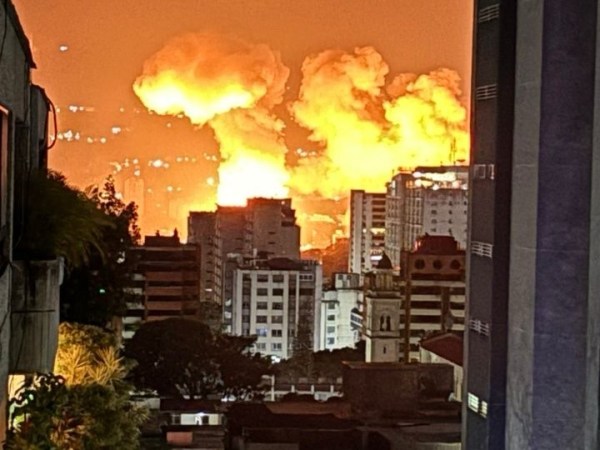
Latest Updates on Caracas Incidents
Venezuela’s government has accused the United States of “military aggression” following overnight explosions in Caracas, declaring a nationwide state of emergency as Washington declines to confirm any involvement and key details remain unverified.
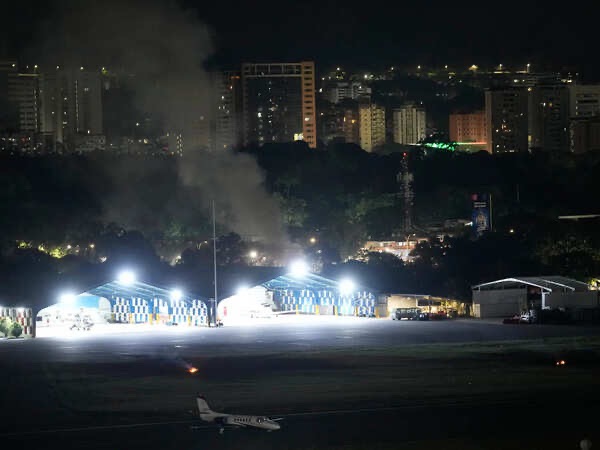
Reports of Explosions and Low-Flying Aircraft Over Caracas Raise Questions of Possible U.S. Action
A series of explosions and reports of low-flying aircraft over Caracas early Friday sparked global attention and unverified claims of U.S. involvement. While social media speculation points to elite American helicopters, no official confirmation has been issued by Washington or Caracas as the situation remains fluid.
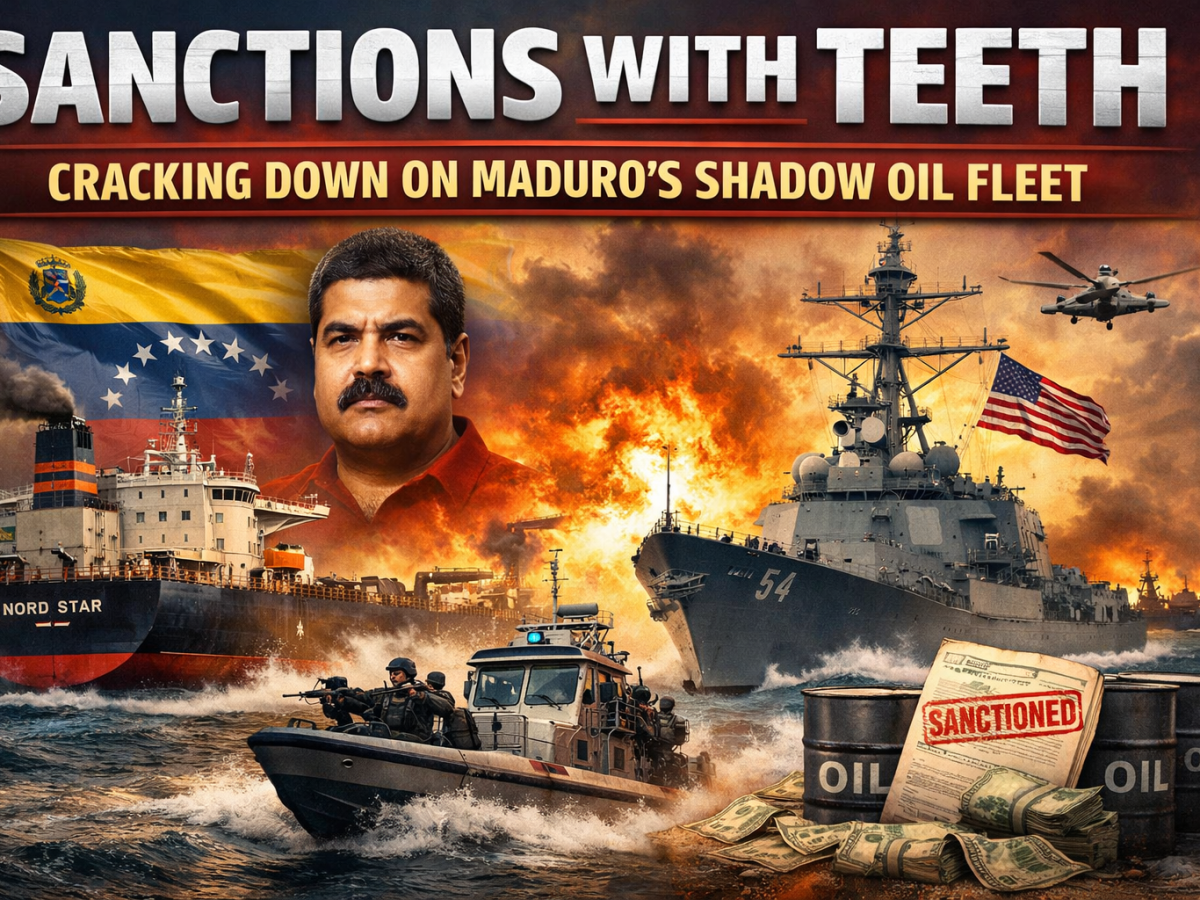
Sanctions With Teeth: Trump Administration Moves to Choke Maduro’s Shadow Oil Trade
The U.S. Treasury’s recent sanctions against four foreign companies and oil tankers linked to Venezuela underscore a pivotal shift in the Trump administration’s enforcement strategy. The sanctions aim to curtail Nicolás Maduro’s oil revenue, highlighting a national security concern and showcasing credible enforcement against sanctions evasion, particularly impacting operations with China.

Trump’s NDAA Slam-Dunks the “Digital Escort” Loophole — and Serves Notice to Big Tech
The FY2026 National Defense Authorization Act prohibits foreign nationals from accessing Department of Defense cloud systems, responding to revelations about Microsoft’s use of China-based engineers. Section 1692 bans direct and indirect access, emphasizing national security over cost-cutting and closing contractor loopholes ensuring that sensitive information remains protected.
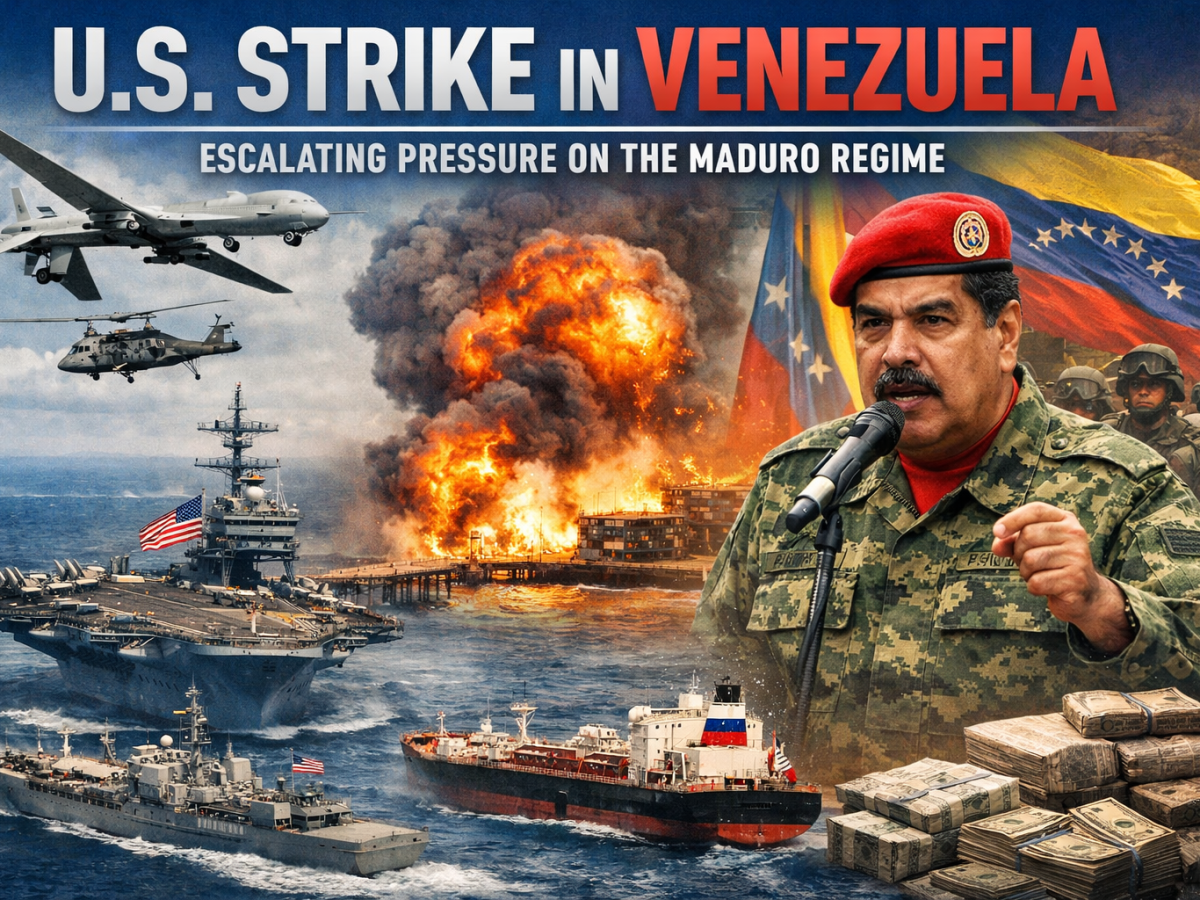
U.S. Pressure Campaign Against Maduro Escalates With Reported Strike Inside Venezuela
The Trump administration is escalating pressure on Venezuela’s authoritarian regime with a reported CIA drone strike inside the country, marking a sharp turn from containment to direct enforcement. Supporters argue the move targets narco-linked revenue sustaining Nicolás Maduro’s rule, while critics warn it risks international backlash and dangerous escalation in an already volatile region.
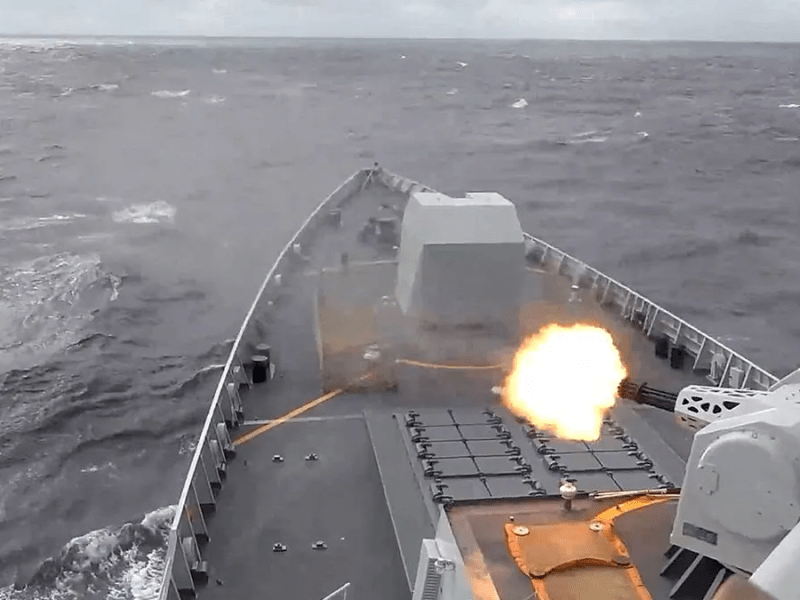
China’s ‘Justice Mission 2025’ Drills Encircle Taiwan in Sharp Warning to U.S. and Regional Allies
China has launched its largest military drills around Taiwan in months, simulating blockades and live-fire strikes in what Beijing calls a warning to “separatist forces” and external actors. The exercises come days after a record U.S. arms sale to Taiwan, intensifying regional tensions and underscoring growing risks of miscalculation in the Taiwan Strait.
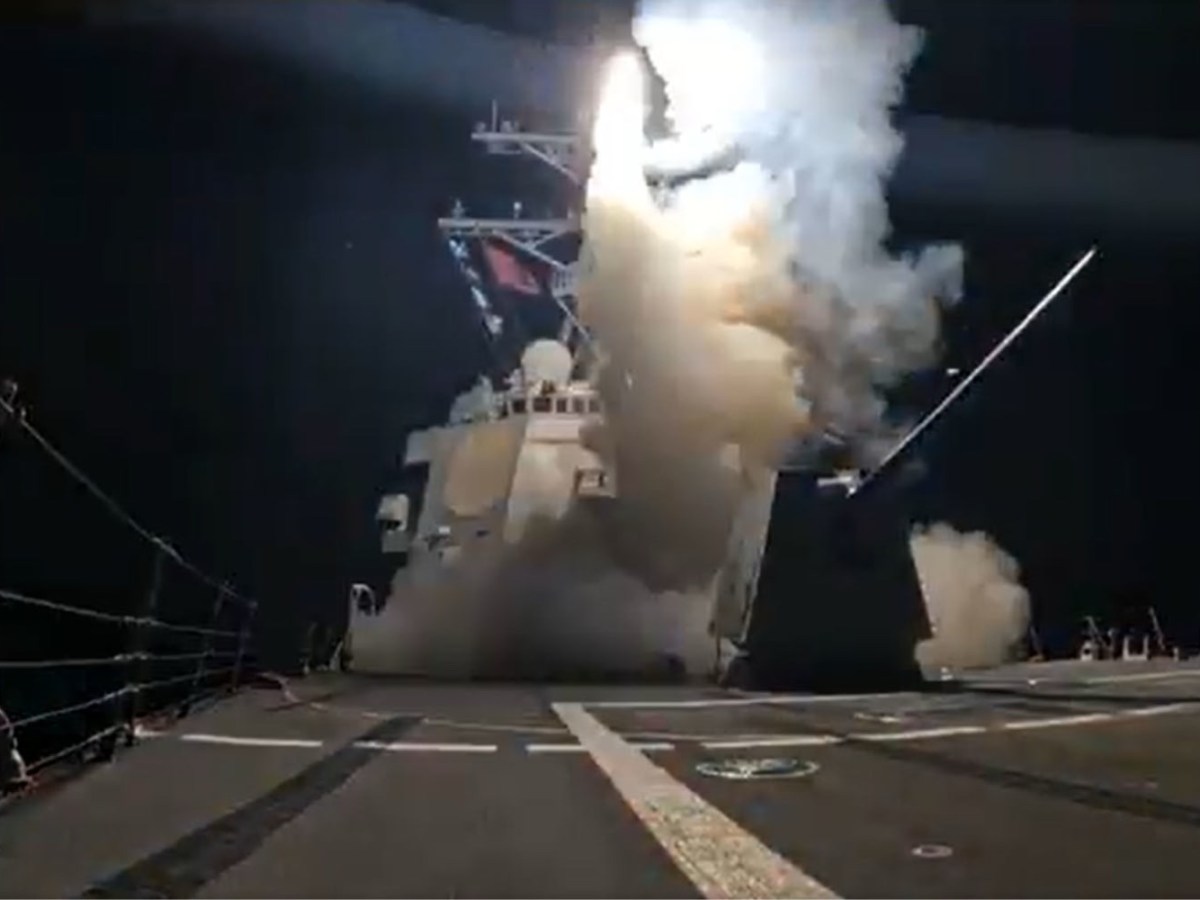
A Necessary Strike—But Not a Strategy: What the U.S. Airstrikes in Nigeria Mean
U.S. airstrikes against Islamic State–linked militants in northwestern Nigeria mark a sharp escalation in America’s counterterrorism posture in West Africa. While the strikes may disrupt jihadist operations in the short term, experts warn that airpower alone cannot resolve the deeper governance failures and regional instability fueling the Sahel’s growing terror threat.
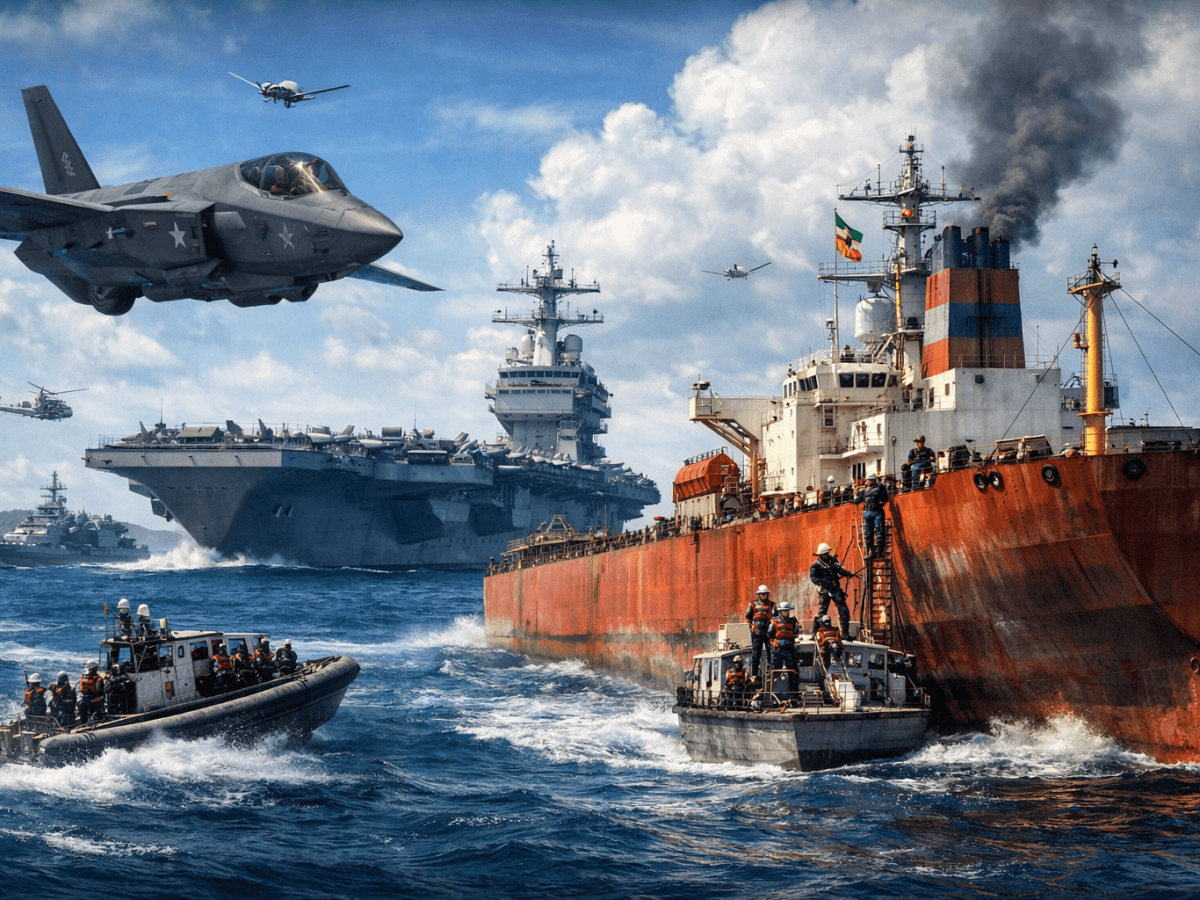
U.S. Escalates Caribbean “Quarantine” on Venezuelan Oil Tankers as Trump Tightens Sanctions Enforcement
The Trump administration has escalated sanctions enforcement in the Caribbean, deploying thousands of U.S. troops, warships, and aircraft to interdict oil tankers linked to Venezuela’s regime. Framed as a maritime “quarantine,” the operation marks the most aggressive U.S. naval posture in the region in decades—and a clear signal that sanctions will now be enforced, not…

Russia–Ukraine Peace Talks Advance—But a Deal Remains Unlikely
A newly unveiled U.S.-Ukrainian peace framework has intensified diplomacy to end the Russia–Ukraine war, but Moscow’s core demands remain unchanged. Despite heavy U.S. involvement and revised concessions, analysts say a comprehensive agreement is unlikely in the near term, with talks serving more to manage the conflict than resolve it.

Trump’s Greenland Envoy Sparks Diplomatic Clash as Arctic Security Stakes Rise
Diplomatic tensions have escalated between the U.S., Denmark, and Greenland following Trump’s appointment of Governor Jeff Landry as a special envoy to Greenland, reviving debates over Arctic security and sovereignty. Denmark and Greenland firmly rejected annexation notions, emphasizing their right to self-determination amid concerns about geopolitical competition with Russia and China.
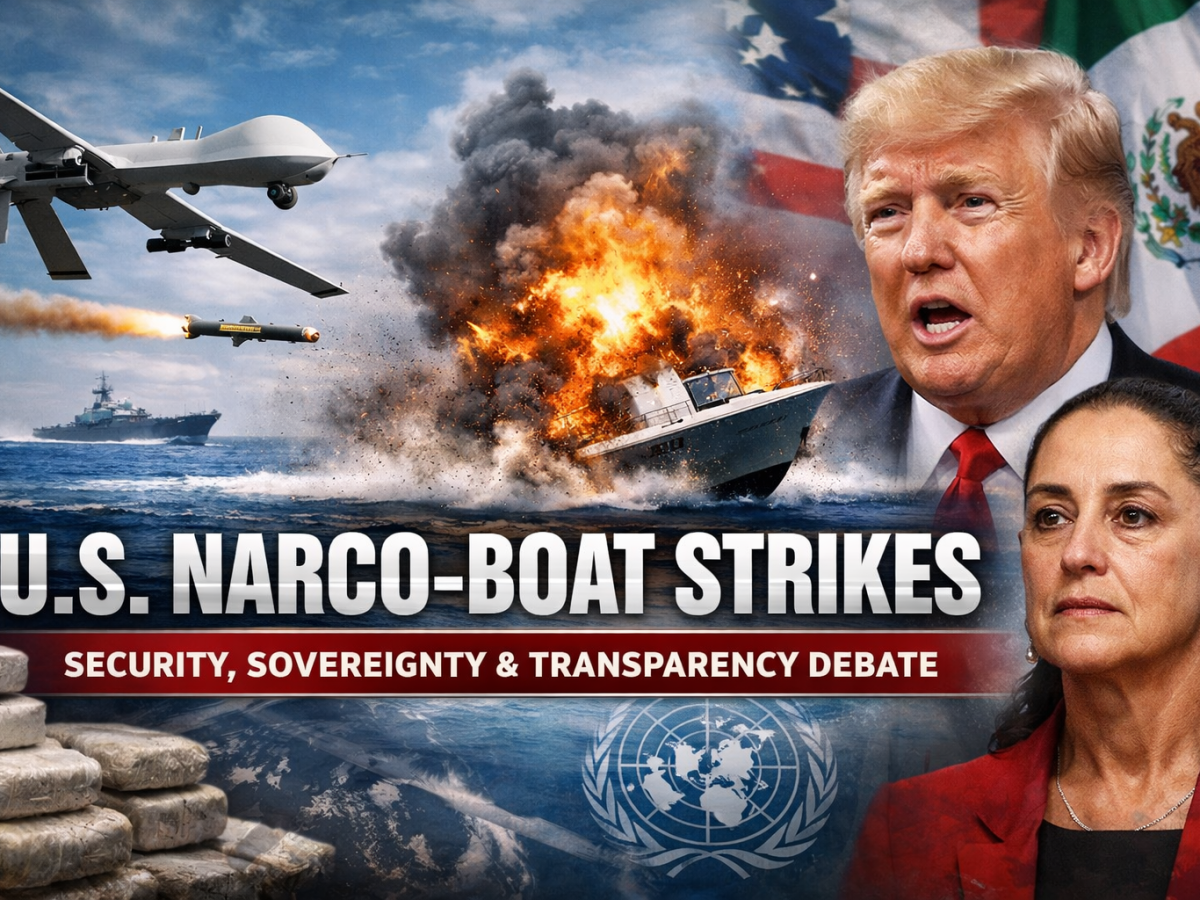
U.S. Narco-Boat Strikes Spark Debate Over Security, Sovereignty, and Transparency
The Trump administration’s expanding air campaign against suspected drug-trafficking vessels in international waters has reignited debate over national security, sovereignty, and the rule of law. Supporters frame the strikes as a necessary deterrent against transnational cartels, while critics warn that a lack of transparency and mounting civilian claims risk regional instability and legal overreach.
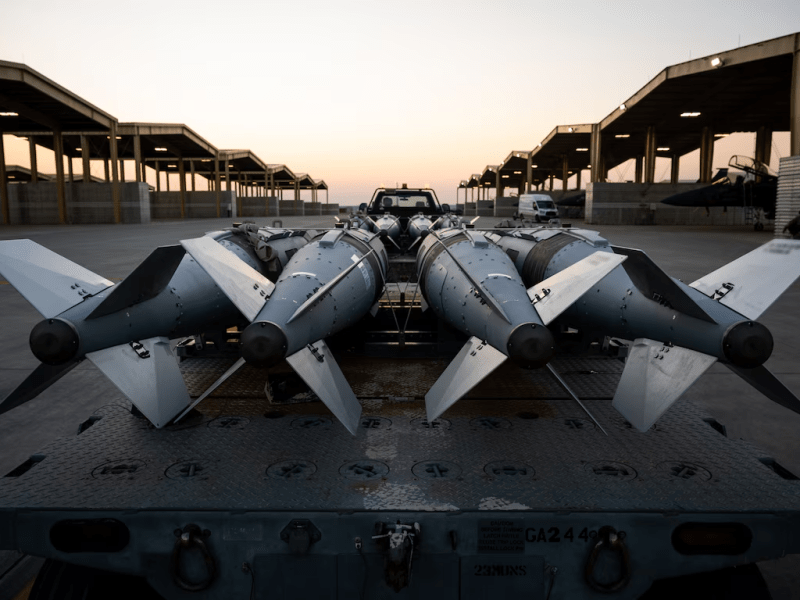
Operation Hawkeye Strike: U.S. and Jordanian Forces Hit ISIS Hard in Syria
U.S. and Jordanian forces launched a sweeping overnight assault on ISIS positions in Syria, striking more than 70 targets with over 100 precision-guided munitions in what officials called one of the largest counterterrorism operations in recent years. The strikes, a direct response to the deadly December 13 ambush that killed two American soldiers and a…

U.S. Military Kills Eight in Eastern Pacific Strikes as ‘Narco-Terror’ Campaign Expands
The U.S. military has confirmed the deaths of eight people after airstrikes destroyed three suspected drug-trafficking vessels in international waters of the eastern Pacific, marking the latest escalation in the Trump administration’s campaign to treat cartels as terrorist threats. The operation highlights a dramatic shift from traditional interdiction to lethal force—raising sharp questions about legality,…
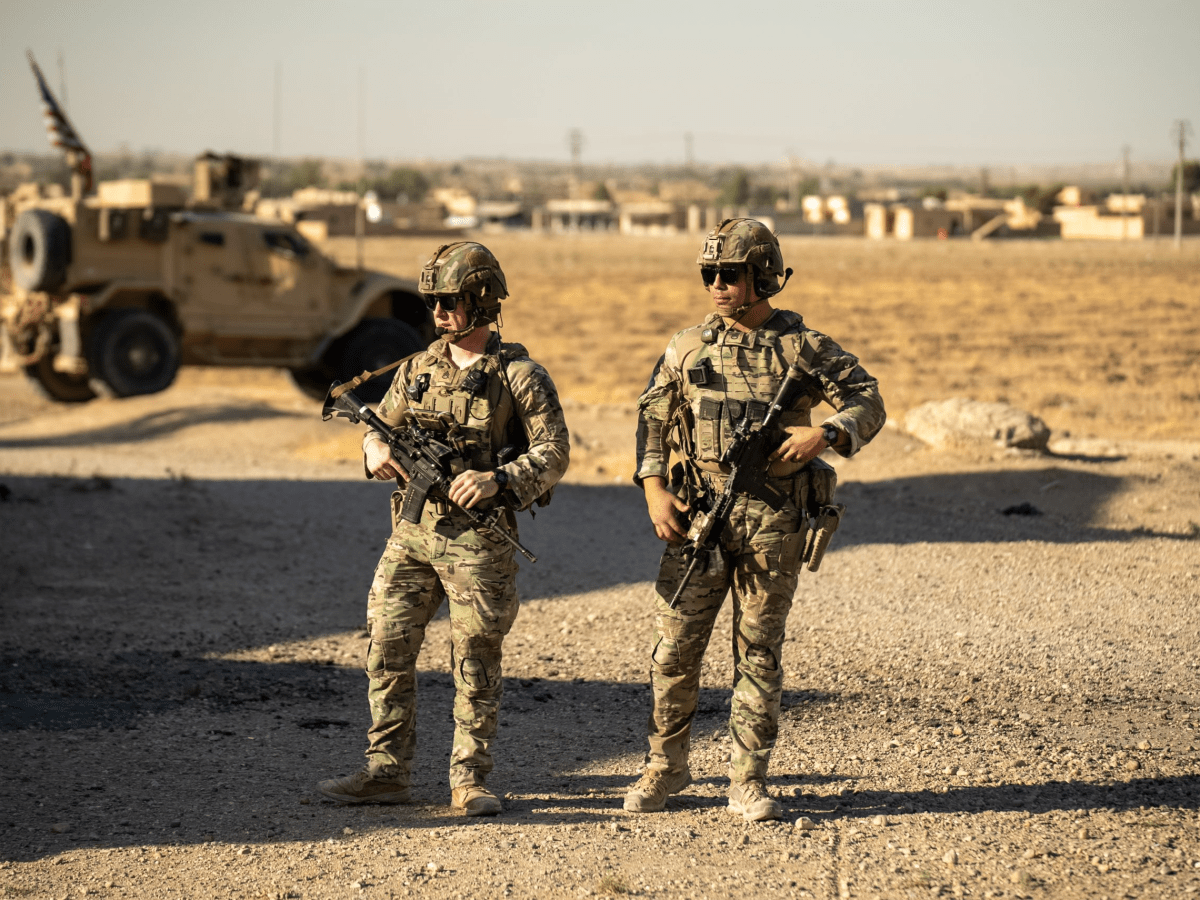
U.S. Troops Killed in ISIS-Linked Ambush in Syria, Raising Questions About Partner Vetting and Regional Control
Three Americans were killed in an ISIS-linked ambush in Palmyra, Syria, during a joint U.S.-Syrian counterterrorism operation, marking the first U.S. combat deaths in the country since the fall of Bashar al-Assad’s regime. The attack—carried out by a gunman later identified as a member of Syria’s own security forces—has raised serious questions about partner vetting,…

After the Uniform: It’s Time to Count the Days That Really Matter
The article highlights the emotional turmoil faced by veteran parents dealing with family court injustices, emphasizing their grief over separation from children. It advocates for specific policy reforms, including prioritizing parenting time for veterans, establishing oversight in family court decisions, and tracking parental separation days to better support military families and acknowledge their struggles.
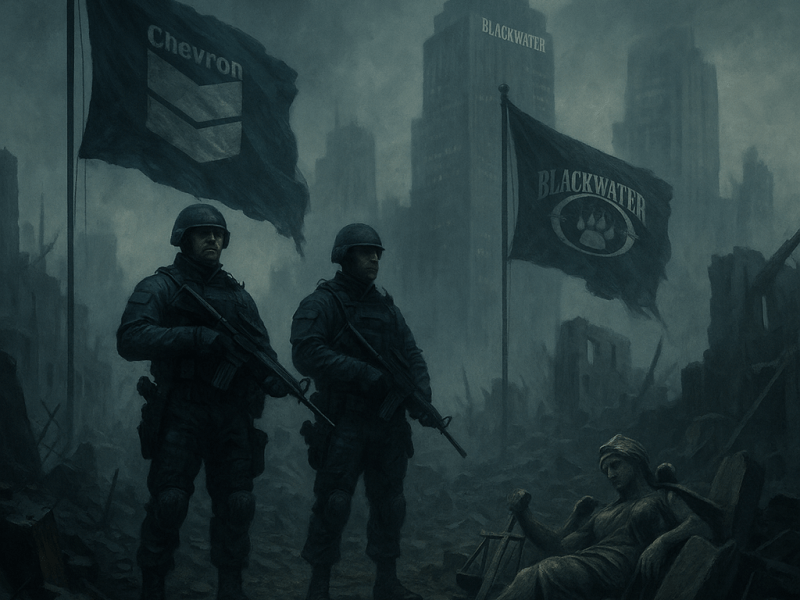
The New Warlords: How Private Corporations Replaced Governments in the Name of Freedom
The post discusses the rise of corporate power following the fall of the Berlin Wall, highlighting the outsourcing of government functions to private companies in areas like military operations, prisons, and intelligence. It argues that this shift has led to a system prioritizing profit over public welfare, fostering neo-feudalism and diminishing democratic oversight.
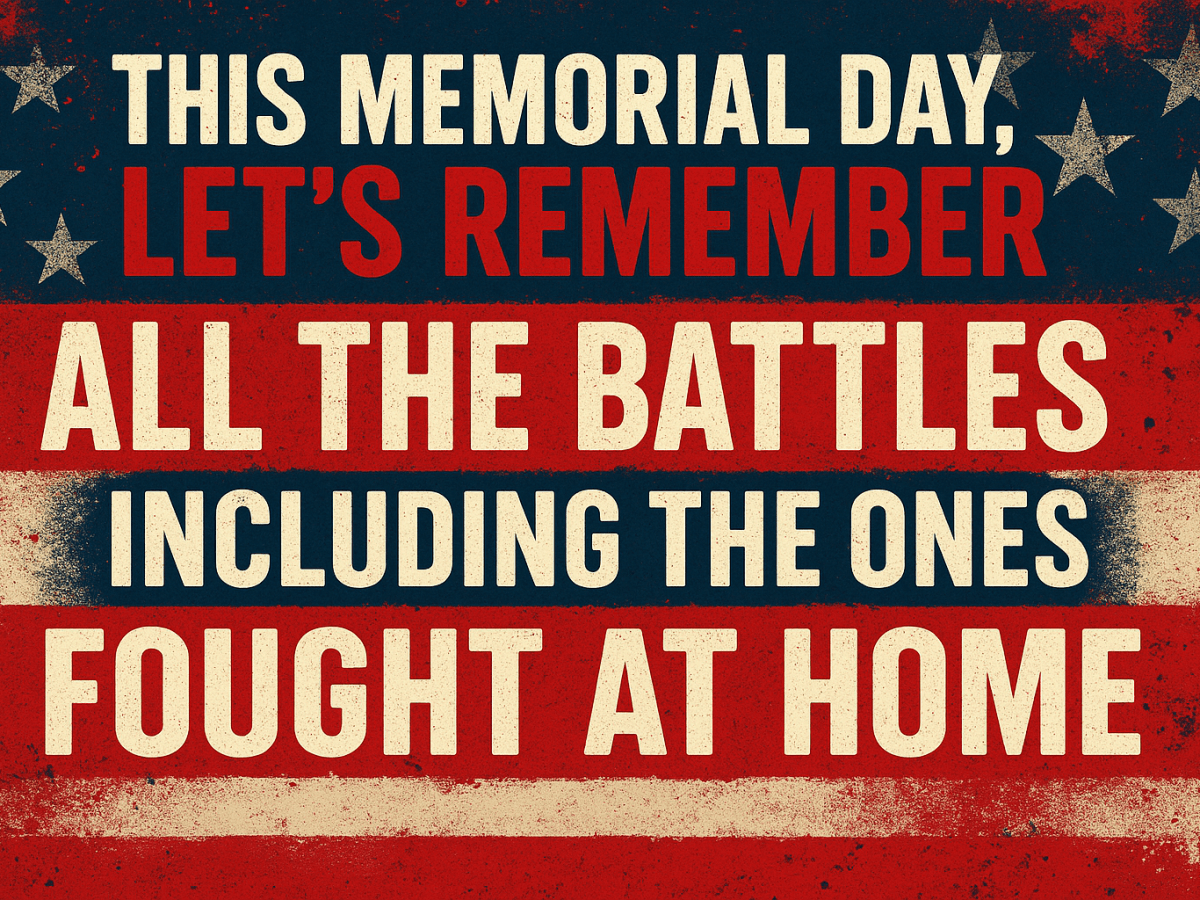
This Memorial Day, Let’s Remember All the Battles — Including the Ones Fought at Home
Memorial Day is a time to honor both fallen soldiers and veterans facing struggles within the family court system. Many veterans endure severe challenges, such as custody battles that exploit their mental health issues. Urgent reform is needed to ensure fair treatment, preserve their rights, and prevent the tragic loss of lives caused by these…
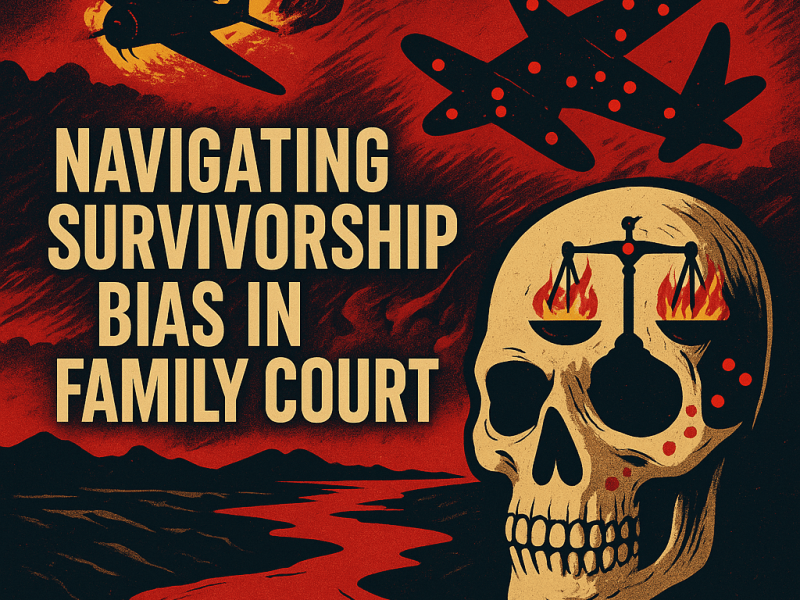
The Survivorship Bias of Family Court: What We’re Missing Could Be What Matters Most
The content discusses survivorship bias in family court, highlighting how focus on positive outcomes obscures the experiences of those who do not succeed. It emphasizes the need for accountability and reform, urging for attention to the hidden failures and severe impacts on parents who are alienated or harmed by the system.
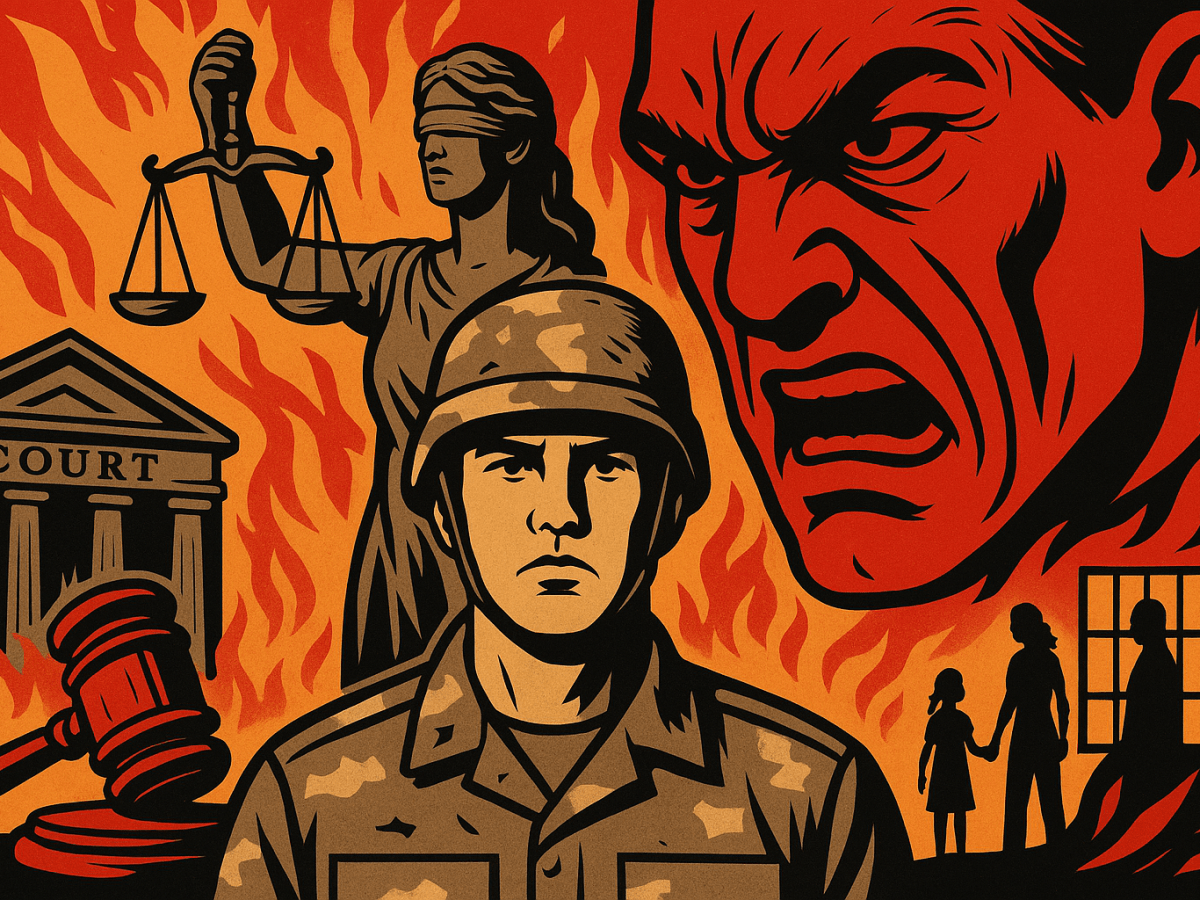
Still No Justice: How the Military’s Family Advocacy Program Becomes a Weapon Against Its Own
The military’s treatment of servicemembers facing false allegations reveals a troubling parallel to family court, which can lead to significant, often irreversible consequences. Investigations by the Family Advocacy Program, lacking due process, can result in punitive actions without evidence. This damaging system undermines national security and calls for urgent reform and accountability.
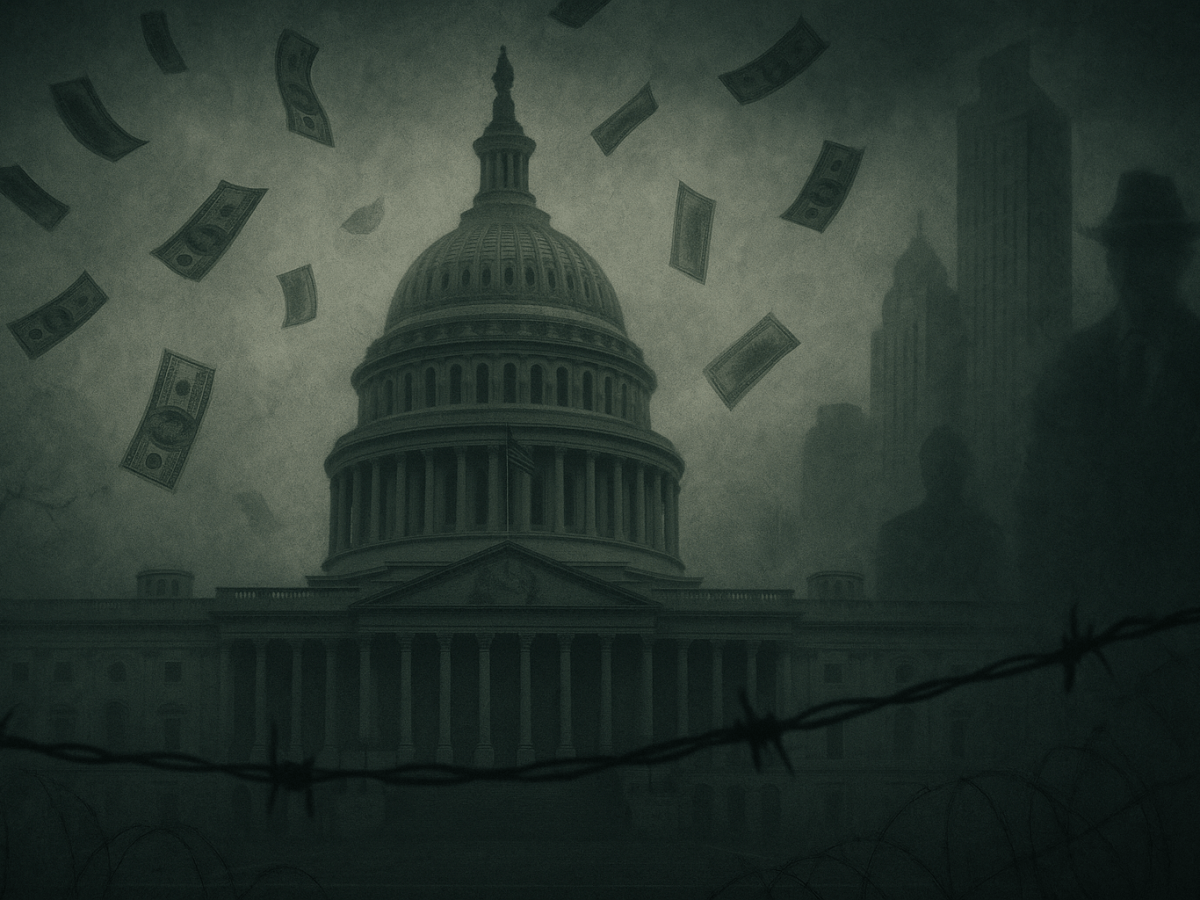
The Silent Coup of the 1990s: How Privatization, ADR, and Drug Cartels Rewired American Power
The 1990s, often viewed as a prosperous decade, actually concealed significant systemic corruption characterized by privatization of justice and prisons, alongside the emergence of corporate cartels. These changes, fueled by political interests and military-industrial complex dynamics, blurred the lines between government, corporations, and crime, undermining democracy and public accountability.
 Republic Dispatch