
By Republic Dispatch Staff
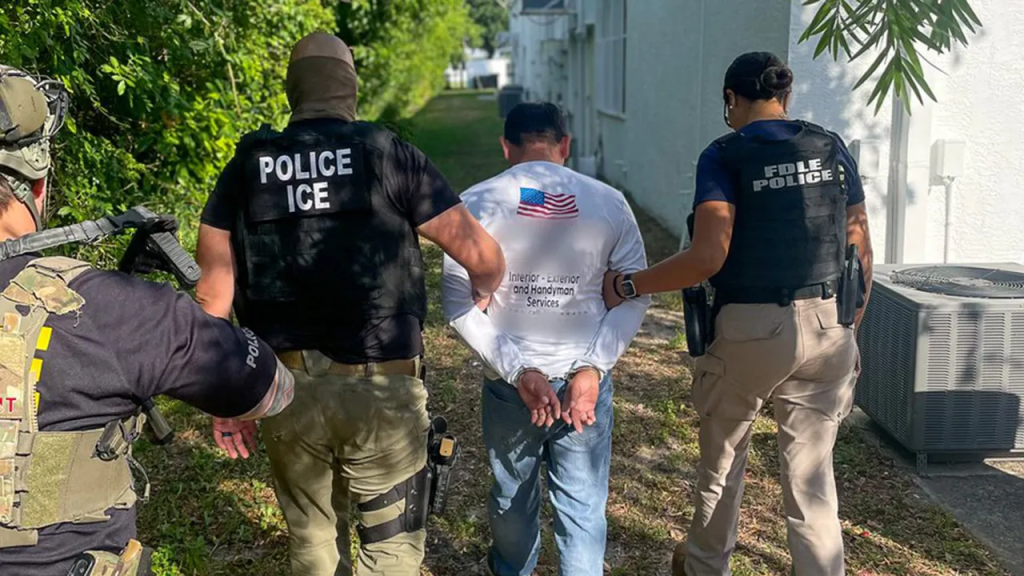
The U.S. Department of Justice announced this week that 37 Mexican nationals wanted for serious criminal offenses were formally transferred from the United States to Mexico, marking one of the largest coordinated handovers of fugitives in recent years.
According to U.S. Department of Justice, the individuals were wanted by Mexican authorities for a range of violent and organized crimes, including homicide, kidnapping, drug trafficking, human smuggling, sexual assault, and weapons offenses. Many were linked to cartel activity or transnational criminal organizations operating on both sides of the border.
A Coordinated Law Enforcement Operation
The transfers were carried out through cooperation between U.S. and Mexican authorities, including the U.S. Marshals Service and Mexico’s federal law enforcement agencies. DOJ officials emphasized that the operation reflects ongoing collaboration under existing bilateral security agreements.
“This action demonstrates our commitment to ensuring that criminals are held accountable in the jurisdictions where their crimes were committed,” the department said in its announcement.
Not an Amnesty—A Transfer for Prosecution
Federal officials were clear that the transfers do not represent leniency or release. Each individual was handed over to Mexican authorities to face prosecution, sentencing, or incarceration under Mexican law.
From a center-right perspective, the distinction matters. The operation reinforces the principle that serious criminals should not exploit jurisdictional loopholes or immigration status to avoid justice—while also relieving U.S. detention systems of individuals whose crimes were committed elsewhere.
Implications for Border and Public Safety Policy
The announcement comes amid ongoing debate over border enforcement, cartel violence, and cross-border crime. Supporters argue the transfer underscores the importance of strong law enforcement cooperation rather than unilateral inaction.
Critics of lax border policy have long warned that transnational criminal networks thrive when enforcement is fragmented. DOJ officials pointed to this case as evidence that coordinated enforcement—rather than symbolic rhetoric—can deliver concrete results.
Accountability Across Borders
The DOJ emphasized that the transfers were conducted in accordance with international law and due process requirements, highlighting that cooperation with foreign governments does not mean abandoning U.S. public safety priorities.
For Americans concerned about violent crime, cartel influence, and border security, the operation sends a clear message: serious offenders will be pursued, detained, and delivered to justice—whether that happens in a U.S. courtroom or a foreign one.
 Republic Dispatch