
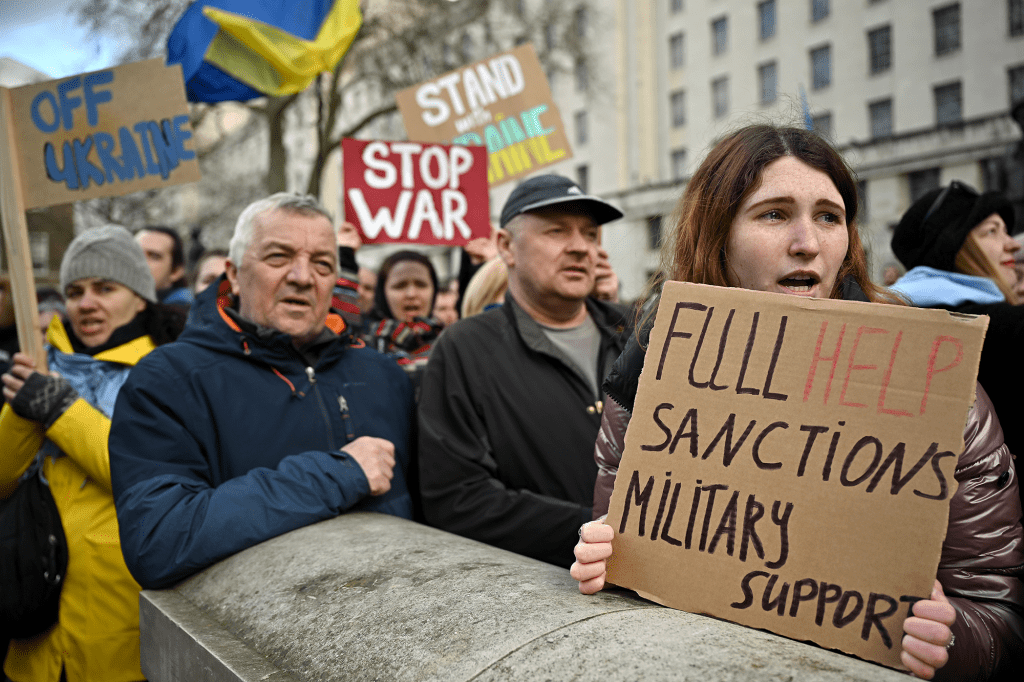
Sanctions are one of the most commonly used tools of modern foreign policy. Governments impose them with sweeping moral language—punishment, accountability, pressure—but their real-world effects are far more complicated.
Understanding how sanctions actually work helps explain why they are so popular, why they often fail to achieve their stated goals, and why civilians frequently pay the highest price.
What Are Sanctions?
Sanctions are restrictions imposed by one country or group of countries to influence the behavior of another state, government, organization, or individual—without using direct military force.
They are designed to:
- Coerce political change
- Deter specific actions
- Signal international disapproval
- Weaken a regime’s capacity to act
In theory, sanctions apply pressure at the top. In practice, that pressure often flows downward.
The Main Types of Sanctions
Not all sanctions work the same way. Modern sanctions usually fall into several overlapping categories.
1. Financial Sanctions
These target:
- Banks and financial institutions
- Access to international payment systems
- Foreign reserves and assets
Financial sanctions aim to isolate a country from global capital flows, making trade, investment, and currency stability harder to maintain.
2. Trade and Export Controls
These restrict:
- Imports and exports
- Technology transfers
- Industrial equipment and materials
Export controls are especially common in high-tech sectors, energy production, and defense-related industries.
3. Energy Sanctions
Energy sanctions target:
- Oil and gas exports
- Energy infrastructure financing
- Shipping and insurance
Because energy revenue often funds governments, these sanctions are seen as particularly powerful—but they also ripple quickly into civilian economies.
4. Targeted or “Smart” Sanctions
These focus on:
- Political elites
- Military leaders
- Oligarchs or regime-linked businesses
The goal is to avoid broad civilian harm by isolating decision-makers directly. In practice, even “targeted” sanctions rarely stay contained.
How Sanctions Are Supposed to Work
The basic theory is straightforward:
- Economic pressure creates domestic pain
- Public dissatisfaction rises
- Elites face internal pressure
- Policy changes follow
This logic assumes:
- Citizens can influence leadership
- Economic hardship translates into political leverage
- Regimes prioritize public welfare over survival
Those assumptions often break down.
Why Sanctions Often Miss Their Target
1. Regimes Shift the Burden Downward
Authoritarian and semi-authoritarian governments typically protect:
- Security services
- Political elites
- Core supporters
Costs are shifted onto:
- Consumers
- Workers
- Small businesses
- Public services
The leadership survives. Daily life deteriorates.
2. Sanctions Strengthen State Control
Sanctions can:
- Reduce private-sector activity
- Increase black-market dependence
- Centralize resource distribution
This often strengthens the state’s control over society rather than weakening it.
3. Nationalism Replaces Accountability
External pressure allows governments to:
- Blame foreign enemies
- Frame hardship as patriotic sacrifice
- Suppress dissent as disloyalty
Sanctions can unintentionally reinforce regime narratives.
Why Civilians Feel the Impact First
Sanctions disrupt supply chains long before they change political behavior.
Common civilian effects include:
- Inflation and currency collapse
- Shortages of food, fuel, and medicine
- Unemployment and wage erosion
- Deteriorating healthcare systems
Even when humanitarian exemptions exist, financial and logistical barriers often prevent aid from flowing smoothly.
Secondary Sanctions Multiply the Damage
Modern sanctions increasingly rely on secondary sanctions—penalties imposed on third parties who continue doing business with the sanctioned target.
This:
- Discourages neutral countries from engagement
- Shrinks humanitarian and commercial channels
- Expands economic isolation far beyond the original target
Secondary sanctions amplify reach—but also collateral damage.
Why Sanctions Persist Despite Mixed Results
Sanctions remain popular because they offer political advantages.
They allow leaders to:
- “Do something” without deploying troops
- Signal moral clarity to domestic audiences
- Avoid direct confrontation
- Maintain pressure indefinitely
Even when sanctions fail to change behavior, they are often seen as preferable to inaction or war.
When Sanctions Do Work
Sanctions are most effective when:
- Goals are narrow and specific
- Enforcement is coordinated internationally
- Exit ramps are clearly defined
- Targeted actors depend heavily on external systems
Broad, open-ended sanctions with maximalist goals rarely succeed.
The Long-Term Consequences
Extended sanctions can reshape global systems:
- Encouraging alternative financial networks
- Accelerating regional trade blocs
- Reducing trust in international institutions
Over time, sanctions can weaken the very leverage they rely on.
Why This Matters Now
Sanctions are no longer exceptional tools—they are routine instruments of statecraft. As their use expands, so do their unintended consequences.
Understanding sanctions means recognizing a hard truth:
They are blunt instruments in a complex world—and their moral clarity often fades long before their economic damage does.
 Republic Dispatch