
By Michael Phillips | Republic Dispatch
A short, unexplained deployment of German soldiers to Greenland has drawn outsized attention in Europe and Washington, underscoring the growing strategic sensitivity of the Arctic as global power competition intensifies.
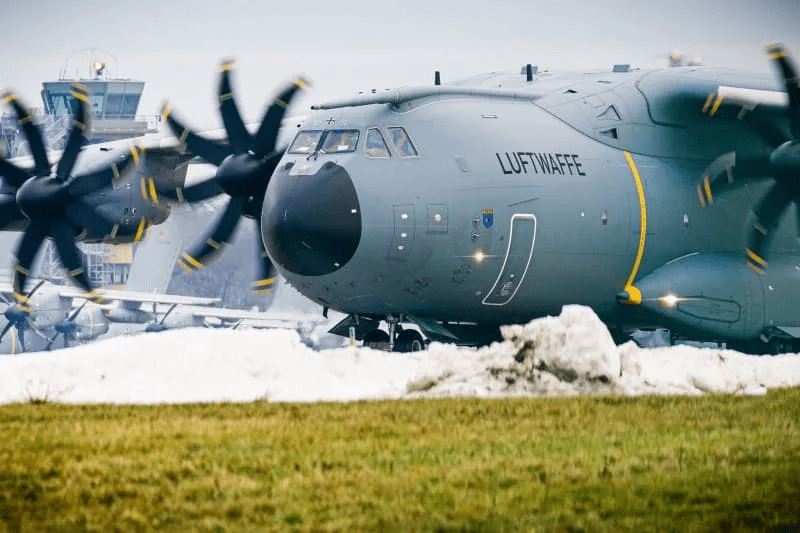
According to reporting by Bloomberg, citing Germany’s Bild newspaper, a small contingent of German troops arrived in Greenland and departed just 44 hours later, without public clarification from Berlin or Copenhagen. The episode, though brief, has fueled speculation about NATO coordination, Arctic security planning, and Europe’s preparedness in a rapidly changing geopolitical theater.
What We Know So Far
Details remain sparse. German officials have not publicly explained the purpose of the visit, nor confirmed the size or mission of the unit involved. Danish authorities — responsible for Greenland’s defense — have also declined detailed comment.
What is clear is that Greenland, an autonomous territory within the Kingdom of Denmark, has become increasingly central to Western security planning due to its location between North America and Europe and its proximity to key Arctic shipping routes.
Germany, while a NATO member, does not traditionally maintain a visible military footprint in Greenland. That makes the sudden appearance — and equally sudden departure — of German soldiers notable, even if the visit ultimately proves routine or logistical in nature.
Why Greenland Matters More Than Ever
Greenland’s strategic relevance has surged in recent years for several reasons:
- Arctic militarization: Russia has expanded Arctic bases and patrols, while China has declared itself a “near-Arctic state” and invested heavily in polar research and infrastructure.
- NATO defense lines: Greenland sits near vital air and sea corridors linking North America and Europe — routes critical in any large-scale conflict.
- Resource competition: Melting ice is opening access to rare earth minerals, energy reserves, and new shipping lanes.
The U.S. maintains a longstanding presence at Thule Air Base (now Pituffik Space Base), reflecting Washington’s view that Greenland is essential to missile defense and early-warning systems.
Against that backdrop, even a short, unexplained military visit by a major European power invites scrutiny.
Berlin’s Strategic Ambiguity
Germany has struggled in recent years to translate rhetoric about global responsibility into consistent military posture. While Berlin pledged a “Zeitenwende” — a turning point — after Russia’s invasion of Ukraine, critics argue that execution has lagged behind ambition.
A quiet, short-term deployment to Greenland could signal:
- Internal NATO coordination or training
- Intelligence, logistics, or reconnaissance cooperation
- Or simply a routine transport stop amplified by secrecy
But the lack of transparency risks feeding uncertainty — and skepticism — about whether Europe’s largest economy is prepared to play a serious role in Arctic defense.
A Reminder of the Arctic’s New Reality
Whether symbolic or operational, the episode highlights a broader trend: the Arctic is no longer a distant, frozen periphery. It is becoming a frontline of 21st-century geopolitics.
For NATO allies, credibility in the region depends not just on presence, but clarity. Brief deployments without explanation may avoid immediate controversy, but they also leave allies and adversaries guessing — a risky posture in an increasingly contested space.
As global tensions rise, the Arctic’s silence is giving way to scrutiny. Even a 44-hour visit can speak volumes.
 Republic Dispatch