
By Michael Phillips | Republic Dispatch / Tech Bay News
A quiet but consequential shift is rippling through the global economy: the artificial intelligence boom powering Big Tech’s data centers is squeezing the supply of essential semiconductors—and ordinary consumers are about to feel it in their wallets.
According to a recent report by the Financial Times, manufacturers and analysts warn that shortages of memory chips could push consumer electronics prices up by 5% to 20% in 2026. Smartphones, laptops, home appliances, and even hobbyist devices are all in the line of fire—not because demand for consumer tech is surging, but because AI infrastructure is crowding everything else out.
AI First, Consumers Second
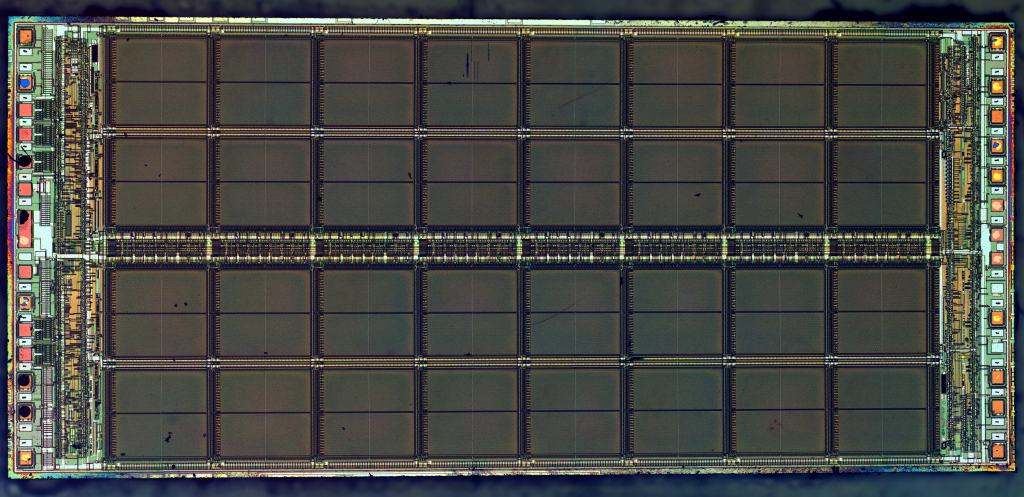
At the center of the problem is memory—particularly DRAM and high-bandwidth memory (HBM), the lifeblood of AI servers. Chipmakers are prioritizing these higher-margin products for hyperscale data centers, where cloud giants are signing massive, long-term supply contracts.
Companies like Samsung Electronics and SK Hynix, which together control roughly 70% of the global DRAM market, have little incentive to allocate scarce production capacity to lower-margin consumer components. The result: a market where AI gets first claim, and everyone else waits—or pays more.
Analysts cited by the FT describe the current environment as “crazy.” DRAM prices surged 50–55% in late 2025, with some chip prices jumping as much as 60%. Panic buying and stockpiling by electronics manufacturers are only intensifying the crunch.
Price Hikes Are Already Here
The impact is no longer theoretical. Dell executives have openly acknowledged that rising component costs will be passed on to customers. Lenovo is aggressively stockpiling parts. Raspberry Pi raised prices in December, calling the situation “painful.” Xiaomi has increased flagship phone prices and warned that 2026 pressures will be “far greater” than anything seen in 2025.
Forecasts vary, but the direction is clear. Macquarie sees 10–20% increases across many consumer electronics categories next year. Even more optimistic analysts still project noticeable price hikes as companies struggle to absorb higher input costs.
A Structural Shift, Not a Temporary Shortage
What makes this episode different from past chip cycles is that relief is nowhere near. New fabrication capacity takes two to three years to come online. Meanwhile, AI demand is accelerating, not cooling.
Morgan Stanley estimates global AI data-center and hardware spending will reach $2.9 trillion by 2028, with Big Tech alone spending more than $600 billion in 2026. Hyperscalers like Amazon and Google can lock up supply years in advance—an option unavailable to smaller manufacturers or consumer-focused brands.
The result is what some analysts describe as a “permanent bifurcation” of the chip market: premium capacity for AI, constrained leftovers for everyone else.
The Underreported “AI Tax”
Beyond higher gadget prices lies a broader, less discussed cost. AI data centers consume staggering amounts of electricity and water, often secured through preferential rates and tax incentives negotiated with state and local governments. Those infrastructure costs don’t disappear—they are frequently passed on to households through higher utility bills and grid surcharges.
From a center-right perspective, this looks less like free-market innovation and more like crony capitalism: concentrated benefits for a handful of tech giants, while the costs are diffused across consumers and taxpayers. Households pay more for phones, more for power, and more for water—all to subsidize an AI build-out whose long-term productivity gains remain uncertain.
What Comes Next
Short of a sudden collapse in AI spending, consumers should not expect relief anytime soon. Citigroup projects tight memory supply through 2027, and analysts widely agree that 2026 will be the most painful year yet.
The takeaway is simple: the AI revolution is not free. While Silicon Valley celebrates trillion-dollar investments and soaring valuations, everyday Americans are absorbing the downside—one price hike at a time. If policymakers and regulators fail to scrutinize how these costs are being shifted, the AI boom may come to be remembered less for innovation than for quietly taxing the middle class.
 Republic Dispatch