
The Abandonment of Family Court Victims in a System That Pretends to Protect
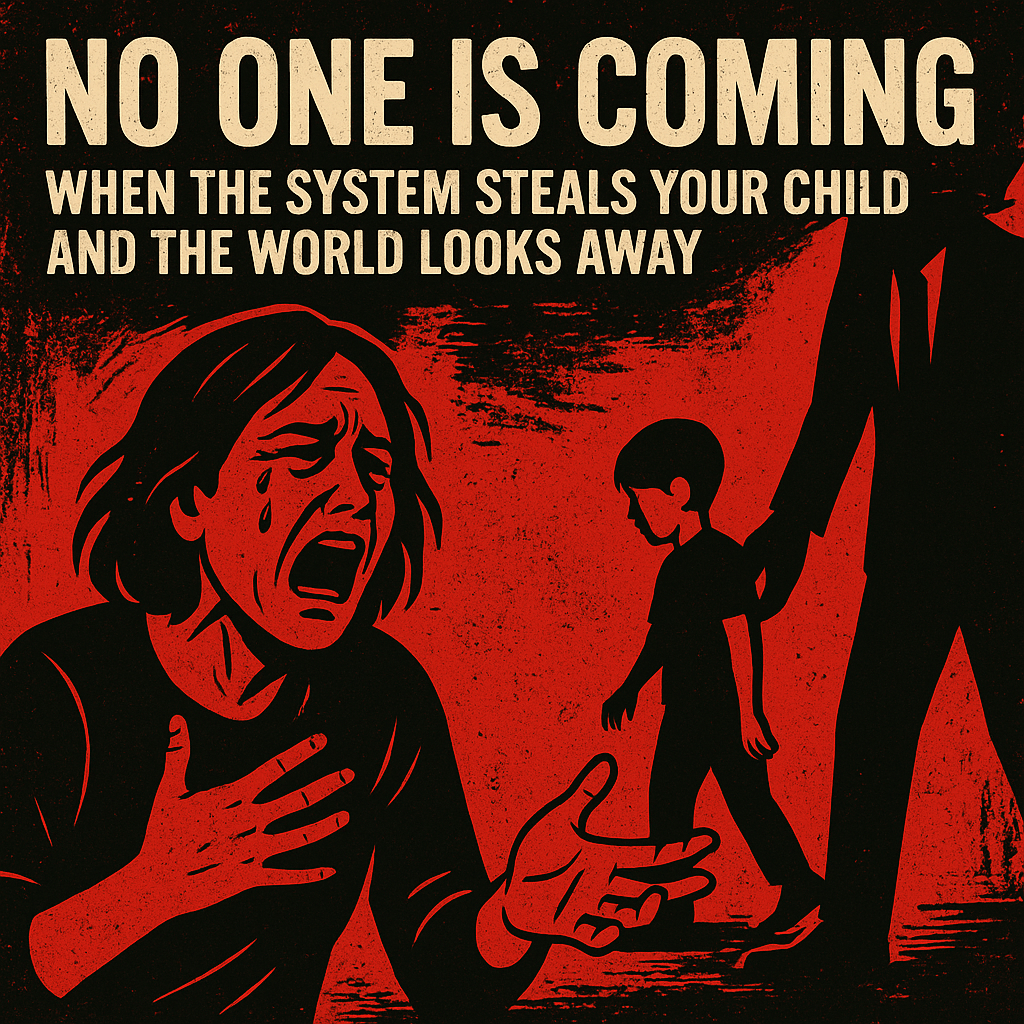
By Michael Phillips
They told us to take it to court.
They said the truth would prevail.
They said if we were good parents, we had nothing to worry about.They were wrong.
Across the United States, thousands of parents enter family court each year believing justice will be served. They bring evidence, they tell the truth, they trust the process. But many emerge devastated, bankrupt, and estranged from their children—not because they were abusive or negligent, but because they couldn’t out-lawyer a vengeful ex, navigate the procedural traps, or survive the court’s cold indifference.
And when they try to speak out? The world looks away.
Mainstream Media Turns a Blind Eye
Family court is one of the most secretive institutions in the American legal system. It hides behind closed doors, citing “privacy” and “the child’s best interest,” while judges ignore due process, rubber-stamp recommendations, and reward those with deeper pockets.
Yet the mainstream press refuses to investigate. If you’re not famous or embroiled in a sensational scandal, your story doesn’t make it past the newsroom. There’s no Netflix docuseries, no Pulitzer Prize chase. Just silence.
Why? Because family court injustice doesn’t fit cleanly into a culture war narrative or attract easy clicks. It’s complex, tragic, and systemically uncomfortable. And it implicates an entire class of professionals—lawyers, judges, therapists, guardians ad litem—who wield enormous power with almost no oversight.
The Political Class Won’t Save Us
If you think lawmakers will help, think again. Many of the politicians with the power to change the system are the very same people who built careers inside it. They were family lawyers, judges, mediators. They know how lucrative the business of custody and conflict can be. Hourly fees. Appointment rotations. GAL contracts. Mediation firms. Court-connected nonprofits. It’s a career pipeline.
To speak out against the system is to threaten their friends, their donors, and their own legacies. So they don’t. Even the most modest bills—ones calling for transparency, limiting judicial immunity, or ensuring due process for pro se litigants—are quietly killed in committee.
And while we suffer, they thrive.
When We Speak, We’re Shamed
Those of us who’ve lived this nightmare try to tell our stories. We post online. We speak at public forums. We ask for help.
But we are not believed. We’re called bitter, abusive, unstable. The assumptions come swift and cruel:
- “You must’ve done something wrong.”
- “Courts don’t take kids away for no reason.”
- “You’re just mad because you lost.”
It doesn’t matter how much evidence we have. It doesn’t matter if we were never charged, if the accusations were disproven, or if the judge simply refused to read our case file. Once you lose in family court, society marks you with a permanent scarlet letter: bad parent.
Friends drift away. Family goes silent. Neighbors gossip. Colleagues grow distant. The emotional isolation is staggering.
And yet, even in this pain, we keep trying to be heard—because the silence hurts worse.
No One With Power Is Coming
There is no cavalry.
There is no billionaire donor waiting to launch a #MeToo for erased parents. No national nonprofit with a war chest and legal team. No White House task force on custody corruption.
We’re lucky if a few exhausted volunteers or grassroots advocates can help us file the next motion.
And we are the ones building those organizations. While grieving. While broke. While traumatized. We’re building websites in hotel rooms. Writing petitions in shelters. Connecting with other survivors between panic attacks and court hearings.
We are not activists by choice. We are survivors by necessity.
The Public Believes the Lie—Until It’s Too Late
Most people assume the courts are fair because that’s what they’ve been told. If someone loses custody, they must’ve deserved it. The judge knows best. CPS wouldn’t get involved without reason.
This myth sustains the machine. But one day, it breaks down. A friend gets divorced. A co-worker gets blindsided by a false allegation. A cousin is dragged into a custody dispute. Then, the lightbulb goes on.
But by then, it’s already too late. They’re in the grinder. And now they are begging to be heard.
We Keep Speaking Because We Must
We’re not looking for pity. We don’t need charity.
What we need is for people to listen—before it’s their turn.
We write, record, organize, and expose. We start independent media. We file FOIA requests. We become our own investigators, journalists, legal strategists, and support networks.
Because if we stay silent, they win. And they’ve stolen enough.
To the Ones Still Fighting
If you’re a parent who hasn’t seen your child in months or years: you are not alone.
If you’ve been falsely accused and watched a judge ignore every piece of evidence: you are not crazy.
If you’ve gone broke or homeless because the system drained you dry: you are not a failure.
You are a survivor of an invisible war. And while it may feel like no one is coming to save you—you are not invisible to us.
We Rebuild. Together.
If this resonates with you, share it.
Speak your truth.
Join the fight for reform.
Support independent outlets willing to publish what others won’t.
Donate to grassroots legal advocacy.
And when you have the strength, help the next parent in line.
Because the system won’t fix itself.
Because no one with deep pockets is coming.
Because we are the ones we’ve been waiting for.
Author Bio:
Michael Phillips is a writer, advocate, and founder of Father & Co. and REBUILT. He writes about family court corruption, parental alienation, and the legal system’s abandonment of vulnerable parents. His work appears on Medium, Substack, and independent reform publications.
 Republic Dispatch